
Understanding IBS
High-FODMAP Fruits That Trigger Bloating
Fruit gets treated as a 'safe' food, but some common ones are loaded with fermentable sugars that bloat an IBS gut. Here's which fruits to watch.

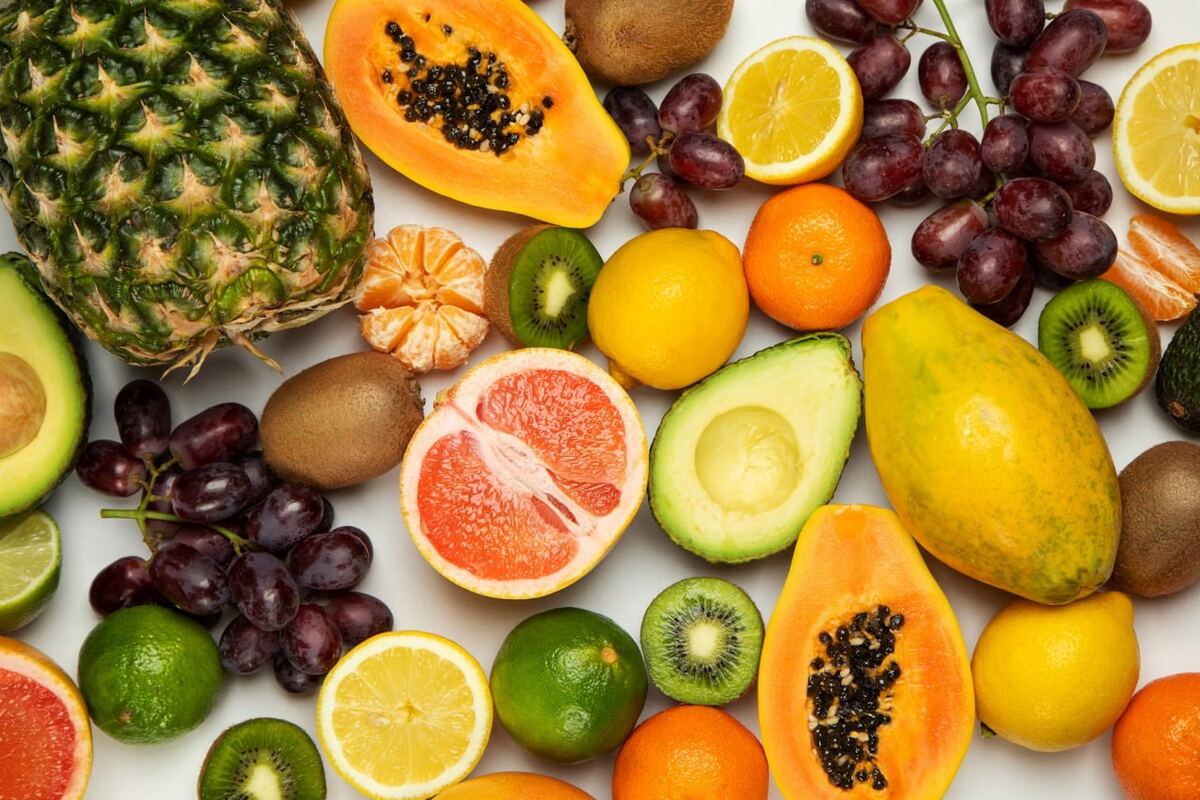
Fruit is the category that most often escapes scrutiny during trigger-hunting. Vegetables get examined, dairy gets cut, fried food gets blamed - while fruit keeps a free pass on the grounds of being healthy by definition.
The pass isn't deserved. An apple in the afternoon and a bowl of grapes at the same hour can produce completely different evenings, and the reason has nothing to do with either being nutritious. Some very ordinary fruit-bowl staples carry a heavy load of fermentable sugars; others carry almost none. Sorting them by that property rather than by how wholesome they seem is what makes fruit reactions predictable.
Why some fruits ferment and others don't
Two FODMAP categories show up unevenly across different fruits, and they're the ones worth knowing.
Excess fructose is a simple sugar, but some fruits contain more free fructose than glucose, and when fructose outpaces glucose in a food, the small intestine has a harder time absorbing all of it. The unabsorbed portion travels to the large intestine and ferments, the same basic mechanism behind fructans in wheat or GOS in beans, just a different sugar. If this sounds like it might be your specific pattern, fructose malabsorption covers the absorption mechanism in much more depth.
Sorbitol is a sugar alcohol found naturally in certain fruits, and it's poorly absorbed by the small intestine in general, regardless of how much glucose is nearby. It has a mild laxative effect on top of its fermentation potential, which is part of why sorbitol-heavy fruits tend to affect bowel habits, not just gas.
Ripeness changes fructose content. A very ripe banana has measurably more free fructose than a slightly underripe one, which is part of why some people notice riper fruit bothers them more than firmer fruit of the same type.
The high-FODMAP fruits worth watching
- Apples, high in both excess fructose and sorbitol, a combination that makes them one of the most commonly reported fruit triggers
- Pears, similar profile to apples, excess fructose plus sorbitol, and often flagged alongside apples in low-FODMAP guidance
- Mango, high in excess fructose specifically, which is easy to miss because mango doesn't taste as "sugary-sharp" as some other high-fructose fruits
- Stone fruit (peaches, plums, nectarines, cherries, apricots), high in sorbitol, and dried versions concentrate that sorbitol load into a small, easy-to-overeat portion
- Watermelon, high in fructans as well as excess fructose, a less obvious source of FODMAPs than the fruits above but a common one
None of this means these fruits are universally "bad." Plenty of people with IBS tolerate a small portion of apple without issue, and reactions are dose-dependent the same way they are with beans or wheat. The point is that these particular fruits carry a heavier fermentable load than most, so if bloating shows up after eating them, that's not a coincidence worth dismissing.
Dried fruit and juice concentrate the load further
Drying fruit removes water but keeps the sugars, so a small handful of dried mango, dates, or dried apricots can carry roughly the same fermentable sugar load as a much larger portion of the fresh fruit, just easier to overeat because it's compact and doesn't feel like "a lot." Fruit juice has a similar problem in reverse: juicing removes most of the fiber that would otherwise slow absorption, while concentrating the fructose and sorbitol into a form your gut processes faster. If whole fruit seems fine but juice or dried fruit versions of the same fruit reliably bother you, portion concentration, not the fruit itself, is likely the variable.
Lower-FODMAP fruit swaps
The good news is that plenty of fruit sits comfortably below the threshold most IBS guts tolerate, so cutting fruit entirely is rarely necessary.
- Bananas, particularly slightly underripe ones, are consistently listed as a low-FODMAP option, with fructose content rising as they ripen further
- Grapes are low in both excess fructose and sorbitol, and a common go-to swap for apples or pears
- Oranges and most citrus tend to be well tolerated in normal serving sizes, since their fructose and glucose levels are more balanced
- Berries (strawberries, blueberries, raspberries) are generally lower-FODMAP in typical portions, though blackberries carry more sorbitol and are worth watching separately
- Kiwi and pineapple are also commonly listed as lower-FODMAP options worth trying as substitutes
Portion size matters even within lower-FODMAP fruits. A small bowl of grapes and an enormous one aren't the same fructose load, so tracking amount, not just which fruit, is part of finding your ceiling.
Which fruit, and how much
Log meals and symptoms by voice or text, including which fruit and how much. AI surfaces fructose and sorbitol patterns across your fruit choices, not just a generic "avoid fruit" list.
Start Tracking Free →
Testing your own threshold
Because fruit reactions are so dose- and ripeness-dependent, the same structured approach that works for other FODMAP categories applies here.
- Pick one higher-FODMAP fruit at a time (apple, for example) and eat a small, measured portion on its own, away from other food that might muddy the signal.
- Track symptoms over the following few hours, since fructose and sorbitol fermentation typically shows up within that window, similar to bloating after eating patterns from other FODMAP sources.
- If you react, try the same fruit at a smaller portion on a separate day to see whether a lower dose is tolerated.
- Test one of the lower-FODMAP swaps in a comparable portion to confirm whether it's better tolerated, which helps distinguish a fruit-specific reaction from a general digestive off day.
Doing this fruit by fruit, with portion and ripeness noted each time, is tedious to hold in your head, which is exactly why tracking food and symptoms methodically is worth setting up properly rather than relying on memory of "fruit sometimes bothers me."
Where fruit fits into a broader FODMAP picture
Fruit reactions rarely happen in isolation from everything else you eat that day. If you had a high-fructan lunch (bread, onion) and a high-fructose apple as an afternoon snack, the combined load might cross your threshold even though either one alone would have been fine. This is the same FODMAP stacking effect that shows up with beans, wheat, and dairy, so if you're testing fruit specifically, it helps to keep the rest of that day's FODMAP intake relatively low, otherwise you can't tell whether the fruit or the cumulative total caused the reaction. Testing a suspect fruit on its own, away from a heavy meal, gives you a cleaner read before you try it stacked with other food the way you'd normally eat it.
It's also worth separating a fruit reaction from a general fiber issue. Some people with IBS-C notice more discomfort from the insoluble fiber and skin of certain fruits (apple skin, for example) rather than the FODMAP content specifically, and peeling the fruit before eating it can clarify which one is responsible. If a peeled apple sits fine but the same apple with skin doesn't, that points toward fiber or skin texture rather than fructose and sorbitol as the driver.
Fruit isn't automatically gentle on an IBS gut. Apples, pears, mango, stone fruit, and watermelon carry high loads of excess fructose and sorbitol, both fermentable sugars that can trigger bloating in a sensitive gut. Bananas, grapes, oranges, and berries tend to sit lower on both counts and make reasonable swaps. Because reactions are dose-dependent, tracking portion size alongside which fruit and how ripe it was is the most reliable way to find your own comfortable range.
Sources
- Monash University FODMAP Diet - excess fructose and sorbitol content in common fruits
- Malagelada JR et al. "Bloating and abdominal distension: old misconceptions and current knowledge" - American Journal of Gastroenterology 2017;112:1221-1231
- Mearin F, Lacy BE et al. "Bowel Disorders" - Gastroenterology 2016;150:1393-1407 (Rome IV diagnostic framework for IBS)


This article is for informational purposes and is not medical advice. Talk to your doctor before making dietary changes.
Start with the free 7-Day Trigger Discovery Challenge
Not ready for the app yet? Download the printable guide and work through 7 days of structured observation, with a few practical follow-up emails to help you stay on track.
- 20-page guide delivered immediately by email
- Daily meal, symptom, and lifestyle tracking pages
- Designed to help you spot early trigger patterns without overwhelm
Free - delivered straight to your inbox
🔒 No spam, we promise. Unsubscribe any time.
Or skip straight to the app - start tracking free →
Ready to find your triggers?
Track by voice. Let AI surface possible patterns.
Log meals and symptoms in seconds. AI structures your data and surfaces possible patterns, including delayed associations worth testing.
Start Tracking Free →Free to start · $59 one-time for full insights · No subscription