
Understanding IBS
Eating Out With IBS: How to Avoid a Flare
Restaurant meals hide onion, garlic, fat, and portions you can't fully control. Here's a practical strategy for eating out with IBS without a flare.

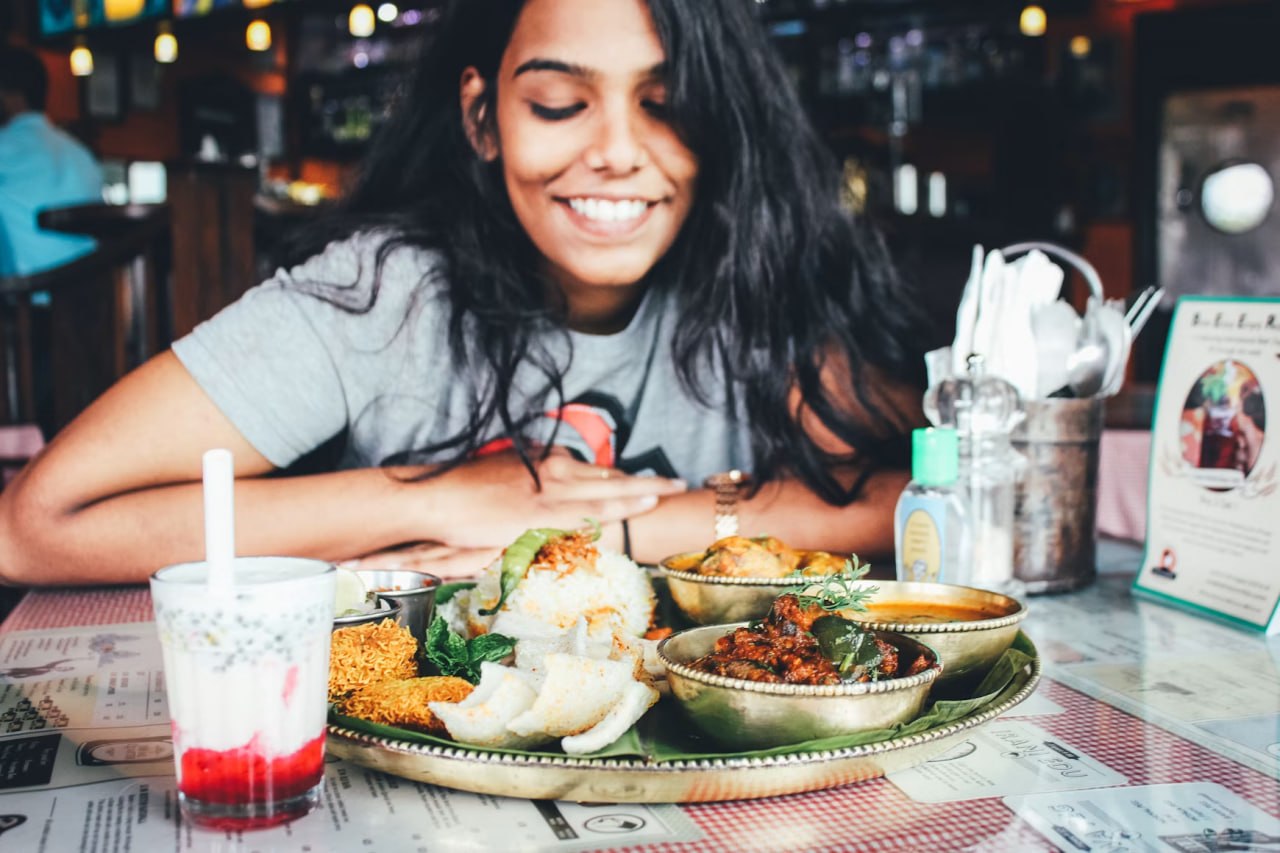
Trigger-hunting works best on food you cooked, because you know every ingredient and every portion. Restaurants dismantle that system. A dish that reads as simple on a menu can be built on a base of softened onion and garlic, finished with a knob of butter off-camera, and served at twice the portion you'd plate at home - none of which is visible from the table, and none of which the menu is obliged to mention.
Eating out doesn't have to mean picking at a plain salad and hoping for the best, but it does take a slightly different strategy than home cooking, because the things that trigger flares (fat load, alliums, and portion size) are exactly the things restaurants control and you don't.
Why restaurant meals are a different category of risk
At home, you control every ingredient and can adjust for a known sensitivity in real time. At a restaurant, a few structural things work against you by default:
- Onion and garlic are default aromatics in most savory cooking, often blended into a sauce or base rather than visible as chunks, which makes them easy to miss even when you ask
- Restaurant portions and fat content both tend to run higher than home cooking, since flavor and generosity are part of what people are paying for
- Cooking oil, butter, and cream are frequently used more liberally than a home cook would use them, and fat is a well-established driver of gut urgency independent of any specific ingredient
- You often can't verify preparation details (whether beans were soaked, whether a sauce has a stock base, whether "gluten-free" pasta was cooked in the same water as regular pasta)
Onion and garlic contain fructans, a FODMAP category that's a well-documented trigger for many people with IBS. Because they're used as flavor bases rather than standalone ingredients, they're one of the most commonly hidden triggers in restaurant food, covered in more depth in onion and garlic intolerance.
None of this means eating out is inherently unsafe. It means the same "figure out your triggers" process you'd apply to home cooking needs a slightly different set of questions when the kitchen is out of view.
A practical strategy for the menu
Ask specific questions, not general ones
"Is there anything I should avoid?" gets a vague answer. "Does this sauce have onion, garlic, or a stock base?" or "Is this cooked in butter or oil?" gets a useful one. Servers are generally more accurate answering specific, concrete questions than open-ended ones about "sensitivities," which they may interpret as an allergy question and answer defensively rather than accurately.
Favor simply prepared dishes
Grilled, roasted, or steamed proteins and vegetables with sauces served on the side give you the most control. Anything described as "in a sauce," "simmered," or "slow-cooked" is more likely to have a fructan-heavy aromatic base you can't see or remove.
Control your own portion, even if the plate doesn't
If fat or a specific FODMAP food is a known but dose-dependent trigger for you, eating half the plate and taking the rest home is a reasonable way to stay under your threshold without turning down a meal you'd otherwise enjoy.
Plan around the meal, not just during it
If you know a cuisine or restaurant tends to be rich, eating lighter earlier in the day, and avoiding stacking multiple risky foods (a fatty appetizer, a garlic-heavy main, and a sugar-alcohol dessert in one sitting) reduces the cumulative load that tends to tip a manageable meal into a flare. This is the same FODMAP stacking effect that applies to any meal, just more likely to happen unnoticed when you don't control every dish.
What to do when a meal still goes wrong
Even with a careful strategy, restaurant meals will sometimes trigger a flare, because you genuinely don't have full information. The most useful response isn't guilt or blanket avoidance of that cuisine going forward, it's logging what you actually know: what you ordered, what you asked about, and how the dish was described, even if you couldn't verify every detail. Over several similar meals, patterns still emerge, for example noticing that creamy sauces are reliably a problem regardless of restaurant, even when you couldn't confirm the exact recipe each time.
Logging "asked, no onion/garlic confirmed" versus "didn't ask, unknown" as separate notes makes your data more honest. A flare after an unconfirmed meal is weaker evidence against a specific food than a flare after a meal you verified in detail.
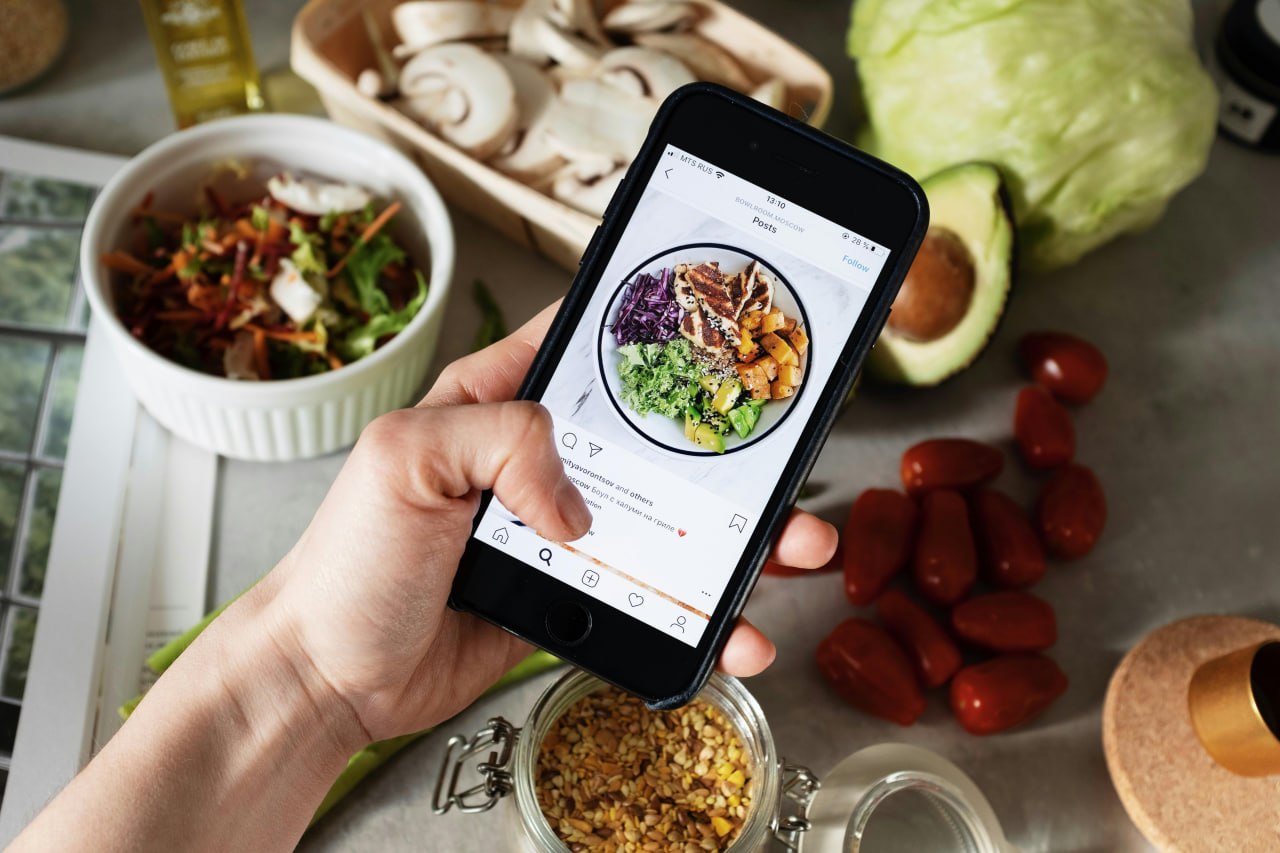
This is really an extension of how to figure out which foods are triggering you, applied to a setting with more unknowns. The process doesn't change. The confidence you can assign to any single data point does.
Building a personal "safe list" over time
A useful long-term outcome of tracking restaurant meals is building a mental (or logged) list of dish types and restaurants that reliably work for you, rather than re-deciding from scratch every time you eat out. Grilled fish with vegetables on the side might become a default at unfamiliar restaurants, while a particular local spot might earn "safe" status because you've eaten there repeatedly without issue. That list is more useful than a generic "avoid these cuisines" rule, because it's built from your actual data rather than someone else's.
Log the meal at the table
Log restaurant meals by voice or text right at the table. AI surfaces which dishes, ingredients, and restaurants actually correlate with your symptoms over time.
Start Tracking Free →Special occasions and group meals
Group meals add their own pressure: you're eating on someone else's schedule, at a restaurant you didn't choose, with less room to ask detailed questions without holding up the table. Two habits cover most of it - glance at the menu online beforehand, and pick a simply prepared option before you arrive so you're not deciding under pressure. Ordering the grilled option instead of the pasta in cream sauce doesn't require an explanation, and treated as a normal preference rather than a restriction, it rarely gets a second look.
Traveling adds another layer
If eating out is part of a trip rather than a normal week, a few of these same issues get harder, less familiar menus, less ability to verify preparation, and a disrupted routine on top of it. That's covered in more detail in traveling with IBS, which builds on the same eating-out strategy for a less controlled environment.
Restaurant meals carry more hidden risk than home cooking because onion and garlic are common invisible bases, portions and fat content tend to run higher, and preparation details are hard to verify. Asking specific questions, favoring simply prepared dishes, and controlling portion size reduce the risk considerably. Logging restaurant meals, including what you could and couldn't confirm, keeps your trigger data accurate even when the kitchen is out of view.
Sources

This article is for informational purposes and is not medical advice. Talk to your doctor before making dietary changes.
Start with the free 7-Day Trigger Discovery Challenge
Not ready for the app yet? Download the printable guide and work through 7 days of structured observation, with a few practical follow-up emails to help you stay on track.
- 20-page guide delivered immediately by email
- Daily meal, symptom, and lifestyle tracking pages
- Designed to help you spot early trigger patterns without overwhelm
Free - delivered straight to your inbox
🔒 No spam, we promise. Unsubscribe any time.
Or skip straight to the app - start tracking free →
Ready to find your triggers?
Track by voice. Let AI surface possible patterns.
Log meals and symptoms in seconds. AI structures your data and surfaces possible patterns, including delayed associations worth testing.
Start Tracking Free →Free to start · $59 one-time for full insights · No subscription