
Understanding IBS
Could Onion and Garlic Be Linked to IBS Symptoms?
Onion and garlic contain fructans, which may contribute to digestive symptoms in some people with IBS. Learn how to track possible associations and test tolerance safely.

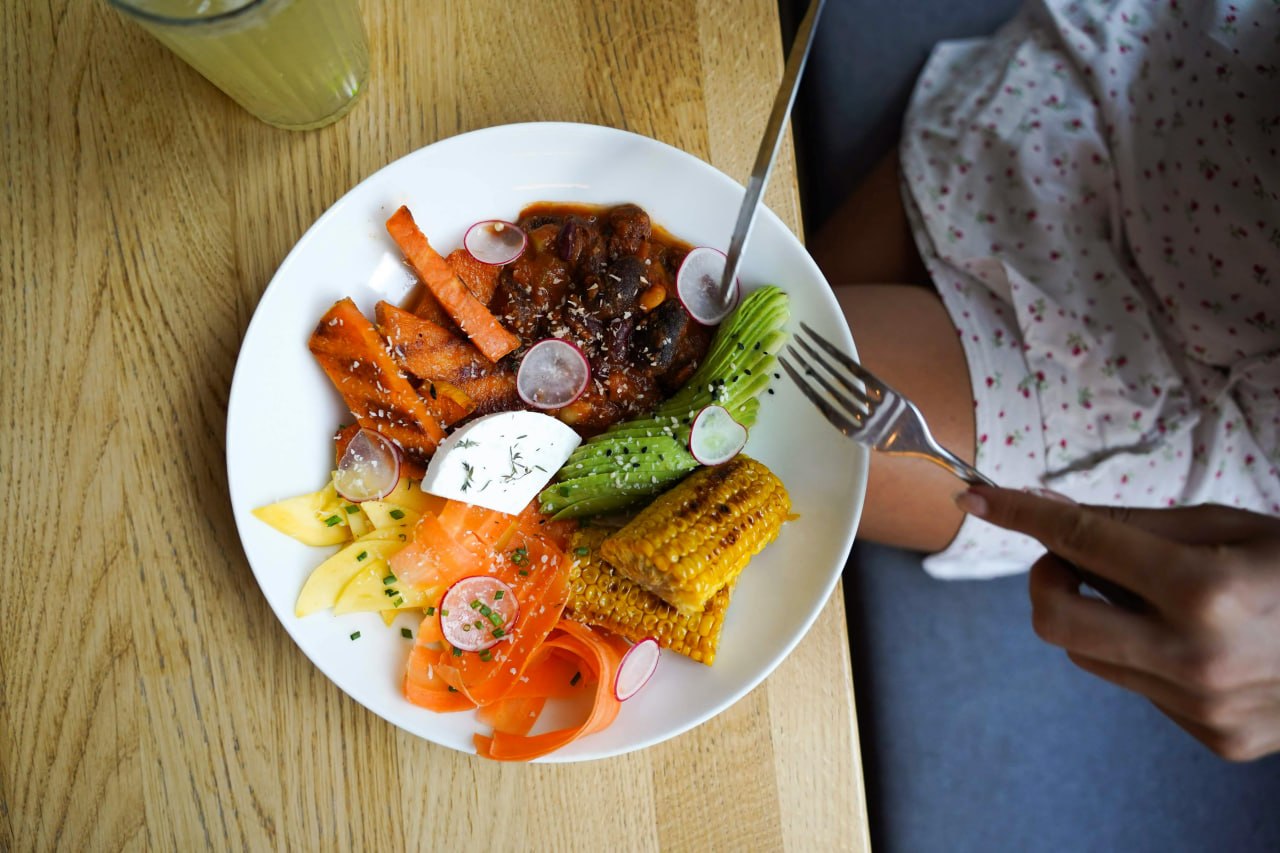
Some people with IBS notice more symptoms after restaurant meals than after similar meals prepared at home. Onion and garlic are possible contributors because they are often used in savoury dishes, but portion size, fat, spice, other FODMAPs, and non-food factors may also matter.
A food and symptom diary can show whether known onion or garlic exposure repeatedly coincides with symptoms. That pattern is a hypothesis to discuss or test, not proof that an allium caused the reaction.
Why fructans may matter in IBS
Onion and garlic contain fructans, short-chain carbohydrates that are poorly digested and absorbed in the small intestine. FODMAPs can draw water into the intestine and are fermented by bacteria in the large intestine, producing gas. These processes happen in people with and without IBS. In some people with IBS, altered motility or greater sensitivity to intestinal stretching may contribute to pain, bloating, wind, or bowel changes. Fructans do not cause symptoms in everyone.
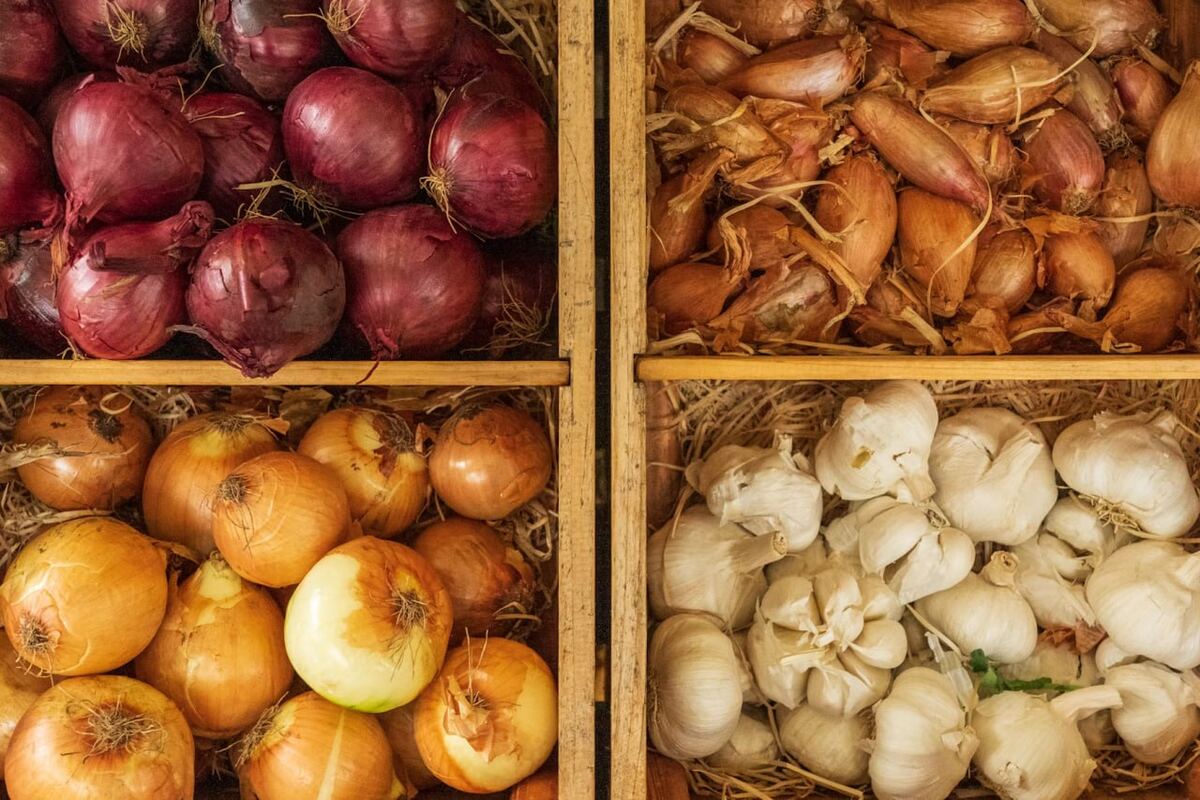
Onion and garlic can provide substantial fructan exposure, depending on the food and serving size. They are also used in many stocks, sauces, seasoning blends, and restaurant dishes, so exposure can be difficult to estimate from a menu name alone.
Fructans are also found in wheat, rye, and several vegetables. A reaction after a mixed meal cannot identify onion or garlic on its own because several fructan sources and other possible contributors may be present together.
Alliums are often base ingredients rather than the focus of a dish. This makes accurate exposure records harder, especially when recipes, stocks, or sauces are not available.
Where onion and garlic hide
Onion or garlic may be present in products such as:
- Stocks, broths, and bouillon cubes
- Pasta sauces and canned tomatoes with "seasoning" added
- Salad dressings and marinades
- Chips, crackers, and seasoned snack foods ("onion powder," "garlic powder")
- Pre-made spice blends and seasoning salts
- Deli meats and sausages
- Restaurant dishes made with pre-prepared stocks, sauces, or seasoning bases
- Products listing seasonings or flavourings; labelling rules vary by country, so check the full ingredient list and contact the manufacturer if the source is unclear
Garlic-infused oil can be a low-FODMAP flavouring because fructans dissolve in water rather than oil. Choose a commercially prepared product, ideally one independently tested or certified low FODMAP, and avoid products containing garlic pieces. Homemade garlic-in-oil can pose a botulism risk if stored incorrectly. Refrigerate it promptly and discard unused homemade oil within four days.
Low-FODMAP swaps that keep the flavor
FODMAP content is portion-dependent and product formulations change. Check current tested serving guidance and ingredient labels, and consider the combined FODMAP load of the whole meal. Options that may help include:
- Commercial garlic-infused oil without garlic pieces
- Tested portions of spring-onion or leek green tops
- Chives
- Small amounts of plain asafoetida (hing), while checking blends for added wheat or alliums
- Fresh herbs, ginger, and citrus zest
When eating out, ask whether a dish can be prepared without onion or garlic before ordering. Many stocks, sauces, and pre-prepared bases cannot be changed. This request is not a substitute for allergy precautions.
Does cooking reduce the fructan load?
Ordinary cooking is not a dependable way to make onion or garlic low FODMAP. Fructans can leach into water-based soups, stocks, and sauces, so removing the pieces afterward does not remove what has dissolved into the liquid. Use tested serving guidance rather than assuming that sauteing, simmering, or straining makes a dish suitable.
Oil infusion is different: fructans are not fat-soluble, so properly prepared oil without onion or garlic solids may provide flavour with little fructan transfer, according to Monash University's guidance on cooking with alliums. This does not mean every commercial flavoured oil is low FODMAP. Check the ingredients and use a tested product where possible.
Assessing a possible association safely
A food diary may reveal a possible association, but it cannot confirm that onion or garlic caused symptoms. For people with diagnosed or clinician-assessed IBS, a registered dietitian may recommend a targeted allium trial or a limited 2-to-6-week low-FODMAP trial, followed by structured reintroduction and personalisation. The restrictive phase is not intended as a permanent diet.
During formal low-FODMAP reintroduction, keep the background diet stable and challenge one selected food at a time using the current protocol and serving guidance from your dietitian. Portions may increase across a short challenge, with time for symptoms to settle before the next food is tested. Onion and garlic should be assessed separately because tolerance can differ by food and portion.
Record symptoms through the monitoring window recommended by your dietitian. Timing varies, so symptoms, or their absence, during the first few hours do not confirm or exclude an association. Do not use an elimination diet or deliberate home reintroduction for hives, swelling, breathing difficulty, faintness, or another suspected allergic reaction. Seek medical advice instead.
The low-FODMAP reintroduction guide explains why this is a structured IBS protocol rather than a general test for food allergy or intolerance.

Track what you know, then test the hypothesis
Log meals, known ingredients, and symptoms by voice or text. AI can surface possible associations in the information you record and prompt questions about labels or restaurant ingredients. It cannot identify undisclosed ingredients, diagnose an intolerance, or prove that a food caused symptoms.
Start Tracking Free →If bloating and gas are your dominant symptoms, it may help to read about why your stomach bloats after eating and chronic gas more broadly. Fructans are only one possible contributor.
Note on true allergy vs. intolerance
Digestive symptoms after alliums may have several explanations and do not by themselves establish fructan intolerance. Hives, facial swelling, or other possible allergic symptoms warrant medical assessment rather than a low-FODMAP trial or deliberate home challenge. Sudden swelling of the lips, mouth, tongue, or throat, difficulty breathing or swallowing, faintness, or rapidly worsening symptoms may indicate anaphylaxis. Use prescribed adrenaline if available and call your local emergency number immediately. See our guide on food sensitivity vs. allergy for the distinction.
Onion and garlic contain fructans and may be present in stocks, sauces, dressings, and seasoning blends. Repeated associations in a diary can support a hypothesis, but not a diagnosis. If a clinician has assessed your symptoms as IBS, a registered dietitian can help you decide whether a targeted or low-FODMAP trial is appropriate and keep restrictions temporary.
Sources
- Mearin F, Lacy BE et al. "Bowel Disorders" - Gastroenterology 2016;150:1393-1407 (Rome IV diagnostic framework for IBS)
- Monash University FODMAP Diet - fructan content and fermentation mechanisms in onion and garlic
- Monash University FODMAP Blog - "Cooking with Onion and Garlic: Myths and Facts" (water-solubility of fructans, garlic-infused oil)
- NIDDK - treatment and dietary care for IBS
- NHS - food allergy symptoms, assessment, and emergency advice
- CDC - safe storage guidance for homemade garlic and herb oils
- Malagelada JR et al. "Bloating and abdominal distension: old misconceptions and current knowledge" - American Journal of Gastroenterology 2017;112:1221-1231


This article is for informational purposes and is not medical advice. Talk to your doctor before making dietary changes.
Start with the free 7-Day Trigger Discovery Challenge
Not ready for the app yet? Download the printable guide and work through 7 days of structured observation, with a few practical follow-up emails to help you stay on track.
- 20-page guide delivered immediately by email
- Daily meal, symptom, and lifestyle tracking pages
- Designed to help you spot early trigger patterns without overwhelm
Free - delivered straight to your inbox
🔒 No spam, we promise. Unsubscribe any time.
Or skip straight to the app - start tracking free →
Ready to find your triggers?
Track by voice. Let AI surface possible patterns.
Log meals and symptoms in seconds. AI structures your data and surfaces possible patterns, including delayed associations worth testing.
Start Tracking Free →Free to start · $59 one-time for full insights · No subscription