
Guides
Acid Reflux and Food Triggers
What actually causes acid reflux, the food triggers with the strongest evidence, and how to find your specific combination of foods, portions, and timing.

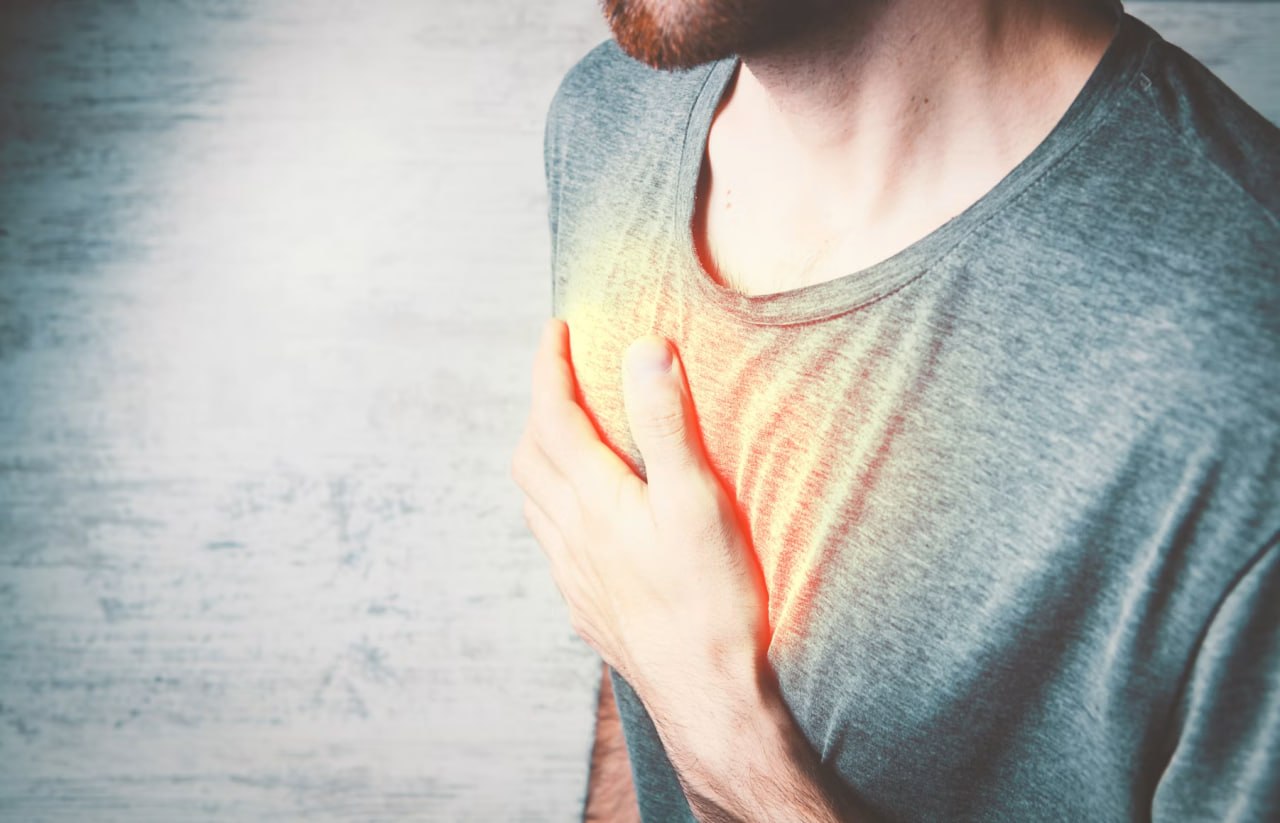
If certain meals reliably end in a burning chest an hour later, you've probably already collected a mental list of suspects: the spicy one, the fried one, the late one. Generic trigger lists don't help much with that, because they name a dozen foods without explaining why any of them cause reflux, which makes it impossible to tell which ones actually apply to you.
This is a look at what actually causes reflux, the food triggers with the most consistent evidence behind them, and how to work out which foods are genuinely your triggers instead of avoiding everything on a generic list. If you also deal with IBS, there's a section further down on why the two conditions so often show up together.
What's happening in reflux
Acid reflux happens when the lower esophageal sphincter, the muscular valve between your esophagus and stomach, relaxes at the wrong time or doesn't close fully, letting stomach acid move back up into the esophagus. The esophagus isn't built to handle that acid, which is what produces the burning sensation most people recognize as heartburn.
The lower esophageal sphincter relaxes temporarily many times a day in everyone, as a normal part of digestion. Reflux becomes a problem when these relaxations happen too often, last too long, or happen when the stomach is fuller or more pressurized than usual, letting acid escape upward.
Certain foods and habits make that relaxation more likely, or increase stomach pressure and acid production directly, which is why specific triggers show up so consistently across different people even though the underlying mechanism is the same for everyone.
The food triggers with the most consistent evidence
Fatty and fried foods
Fat slows stomach emptying, which means food and acid sit in the stomach longer, increasing the chance of reflux. Fat also appears to relax the lower esophageal sphincter directly in some research, compounding the effect.
Caffeine and coffee
Coffee, and caffeine more broadly, is associated with lower esophageal sphincter relaxation and increased stomach acid production. This overlaps with coffee's separate effect on IBS through colonic motility, covered in coffee and IBS, so people with both conditions can get a double hit from the same cup.
Alcohol
Alcohol relaxes the sphincter and can irritate the esophageal lining directly, and its effect tends to be dose-dependent, meaning a small amount may be tolerated while a larger amount reliably triggers symptoms. See alcohol and IBS for how alcohol affects the gut side of the picture as well.
Carbonated drinks
Carbonation increases stomach distension and pressure, which can push acid upward past a sphincter that's already prone to relaxing. This is a related but distinct mechanism from the bloating carbonated drinks cause lower in the gut, covered in carbonated drinks and bloating.
Spicy and acidic foods
Spicy food and highly acidic foods like citrus and tomato don't typically cause reflux on their own, but they irritate an esophagus that's already exposed to acid, which is why they often feel like the trigger even when a fattier or larger meal set up the actual reflux event.
Large meals and eating close to bedtime
Meal size and timing affect reflux independent of specific food content. A large meal increases stomach pressure directly, and lying down soon after eating removes gravity's help in keeping stomach contents where they belong.
Practical steps beyond avoiding trigger foods
Diet is only part of the picture. A few other habits change how much acid actually reaches the esophagus, independent of what you ate:
- Eating more slowly reduces the amount of air swallowed and gives the stomach more time to begin emptying before you lie down
- Loose-fitting clothing around the waist reduces external pressure on the stomach, which can otherwise push contents upward
- Elevating the head of the bed, rather than just adding pillows, keeps the esophagus above stomach level through the night more reliably
- Smoking relaxes the lower esophageal sphincter directly, which is one reason reflux frequently improves after quitting, independent of any dietary change
None of these replace identifying your specific food triggers, but they reduce the baseline pressure your gut is working against, which often means the same trigger foods cause milder symptoms than they would otherwise.
Finding your specific triggers
Because reflux responds to a combination of factors rather than a single food, the useful approach is the same one that works for IBS trigger-hunting generally:
- Log meals with enough detail to capture fat content, portion size, and specific ingredients like coffee, alcohol, or carbonated drinks
- Note the time between eating and lying down or going to bed
- Track burning or reflux symptoms separately from other gut symptoms, since they can share a trigger but aren't the same sensation
- Look for the combination that precedes a bad reflux night, rather than isolating a single ingredient
If reflux tends to hit at night, try logging your last meal's timing and fat content specifically. That combination is one of the more reliably reproducible reflux patterns.
Find the combination, not the culprit
Log meals and symptoms by voice or text, including timing before bed. AI surfaces the combination of fat, timing, and specific foods behind your reflux pattern, not just a generic trigger list.
Start Tracking Free →
If you also have IBS
IBS and gastroesophageal reflux share more than coincidental overlap. Both are associated with visceral hypersensitivity, a nervous system that registers normal digestive activity, acid exposure, gut stretching, gas, as more uncomfortable than it would be otherwise. Several of the same trigger foods, fat, caffeine, alcohol, carbonation, affect both conditions through related mechanisms, which is part of why people with IBS report reflux-like symptoms at a higher rate than the general population, and why untangling a "gut" trigger from a "stomach acid" trigger can be genuinely confusing when you have both.
Reflux can also be mistaken for other IBS-adjacent symptoms. Burning discomfort after a meal can be confused with the gnawing or cramping pain covered in stomach pain after eating, and reflux is a common contributor to nausea after eating as well, which is worth reading if nausea is part of your pattern alongside the burning.
When reflux needs more than a food change
See a doctor promptly, rather than managing it through diet alone, if you have difficulty or pain swallowing, unintentional weight loss, vomiting blood, black or tarry stools, or reflux symptoms occurring several times a week despite consistent diet and timing changes. Frequent, unmanaged reflux can damage the esophageal lining over time and warrants proper evaluation rather than ongoing self-treatment.
Acid reflux happens when the lower esophageal sphincter allows stomach acid back into the esophagus, and fat, caffeine, alcohol, carbonation, meal size, and eating close to bedtime are the most consistent triggers. It overlaps heavily with IBS through shared visceral hypersensitivity and shared trigger foods. Tracking meal content and timing together, rather than isolating single ingredients, is the most reliable way to find your specific combination, and frequent or severe symptoms warrant a doctor's evaluation.
Sources
- El-Serag HB, Sweet S, Winchester CC, Dent J. "Update on the epidemiology of gastro-oesophageal reflux disease: a systematic review" - Gut 2014;63(6):871-880
- Mearin F et al. "Bowel Disorders" (Rome IV) - Gastroenterology 2016;150(6):1393-1407
- National Institute of Diabetes and Digestive and Kidney Diseases - Acid Reflux (GER & GERD) in Adults



This article is for informational purposes and is not medical advice. Talk to your doctor before making dietary changes.
Start with the free 7-Day Trigger Discovery Challenge
Not ready for the app yet? Download the printable guide and work through 7 days of structured observation, with a few practical follow-up emails to help you stay on track.
- 20-page guide delivered immediately by email
- Daily meal, symptom, and lifestyle tracking pages
- Designed to help you spot early trigger patterns without overwhelm
Free - delivered straight to your inbox
🔒 No spam, we promise. Unsubscribe any time.
Or skip straight to the app - start tracking free →
Ready to find your triggers?
Track by voice. Let AI surface possible patterns.
Log meals and symptoms in seconds. AI structures your data and surfaces possible patterns, including delayed associations worth testing.
Start Tracking Free →Free to start · $59 one-time for full insights · No subscription