
Understanding IBS
Coffee and IBS: Why It May Trigger Urgency
Coffee can stimulate the colon in some people, but the limited research does not prove one IBS mechanism. Learn what to track and test cautiously.

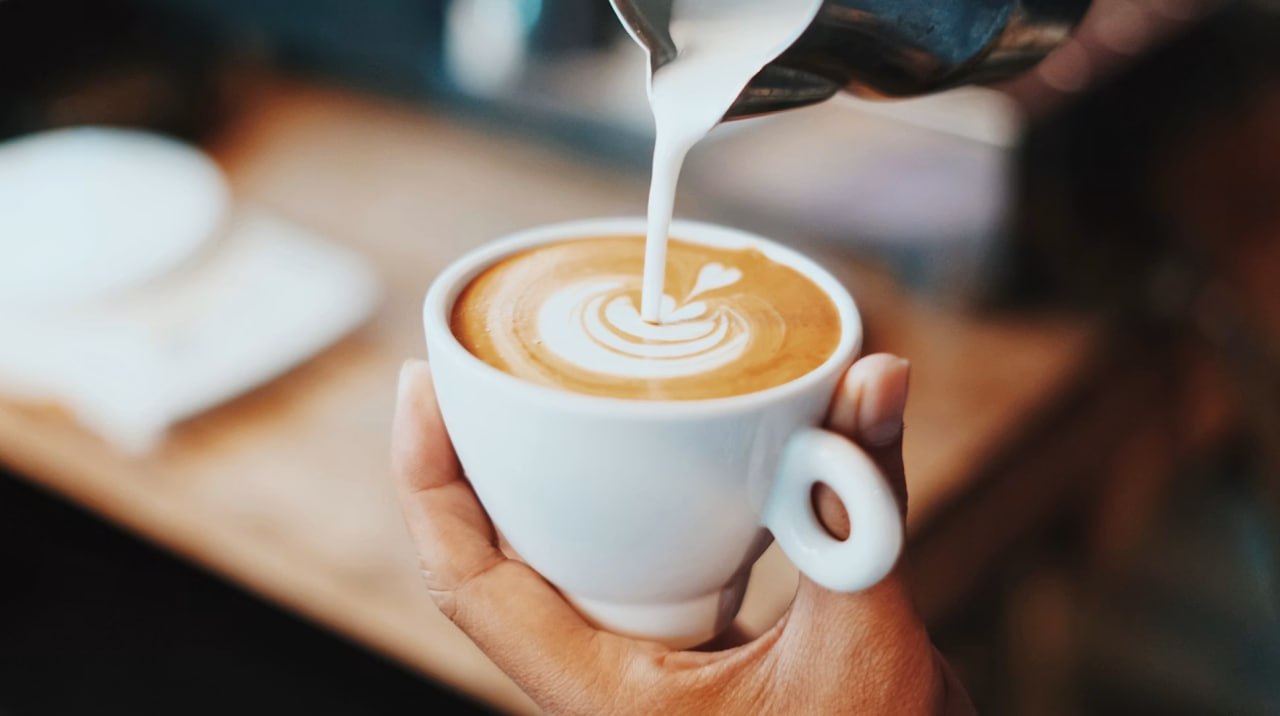
In a 1990 survey of 99 healthy young adults, 29% said coffee gave them an urge to have a bowel movement. The researchers then tested 14 selected volunteers: eight self-identified responders and six non-responders. Both caffeinated and decaffeinated coffee increased distal-colon activity in the responders, while the six non-responders showed no measured change.
That small experiment confirms that coffee can stimulate colonic activity in some healthy people. It does not tell us how often coffee causes urgency or diarrhea in people with IBS, and it does not prove that everyone responds through the same mechanism.
Coffee, colonic activity, and the gastrocolic response
Eating commonly increases colonic activity through the gastrocolic response. Coffee can also produce a rapid colonic motor response in some people, although the pathways involved are not fully settled.
A frequently cited 1998 study used colonic manometry to compare a meal, caffeinated coffee, decaffeinated coffee, and water in 12 healthy volunteers. Caffeinated coffee produced 60% more measured colonic motor activity than water and 23% more than decaf. Those percentages describe pressure activity in a very small healthy-volunteer study, not a 60% increase in urgency or diarrhea and not an IBS prevalence estimate.
Some people with IBS are more sensitive to normal intestinal sensations or changes in motility. That could help explain why a coffee-related response feels urgent or painful for some people, but direct studies of coffee-induced motility in IBS, including IBS-D, are limited.
Does switching to decaf actually help?
Here the evidence is genuinely split, and it's worth knowing how before you spend a month drinking coffee you enjoy less.
The 1998 manometry study found that caffeinated coffee produced more motor activity than water and more than decaf. However, the study included only 12 healthy volunteers, and decaf was not statistically different from either water or caffeinated coffee. It cannot establish that caffeine does nearly all the work or that decaf will be symptom-free.
The 1990 Gut study described above complicates that. When those researchers ran manometry on their volunteers, motility rose within four minutes of drinking - after both caffeinated and decaffeinated coffee - but only in the self-identified responders. The six non-responders showed no change to either cup.
Together, these small studies suggest that responses vary substantially between individuals and that caffeine is not the whole explanation. They cannot predict who will respond or whether the same pattern applies to IBS.
Coffee contains many compounds besides caffeine and can influence gastric secretion and gastrointestinal hormones. Which components are responsible for its colonic effects remains uncertain.
Decaf can be a reasonable comparison if your symptoms are mild and you want to investigate a possible association. It is not a guaranteed solution, and a symptom after decaf does not identify the mechanism. Additions, meal context, stress, natural symptom variation, and the coffee itself may all be relevant.
Espresso, cold brew, and serving size
Caffeine content varies widely with the beans, recipe, dilution, serving size, and product. A small espresso can contain less total caffeine than a large drip coffee even though it tastes stronger, while cold brew products can vary from diluted drinks to concentrated servings. Compare the stated caffeine content and actual serving size rather than assuming one brewing method is always stronger or gentler.
Cold brew can contain fewer titratable acids than a comparable hot brew even when their pH is similar, but studies of coffee chemistry do not establish that cold brew causes fewer stomach or IBS symptoms. Caffeine can also cause jitteriness or anxiety in some people. If stressful mornings seem to coincide with worse gut symptoms, record both factors rather than assuming that one caused the other. How anxiety interacts with IBS explains why context is worth tracking alongside food and drink.
Other factors that shape your reaction
Coffee's effect on you isn't just about the coffee itself. A few other variables commonly change how strong the reaction is:
- Serving size and estimated caffeine are useful variables to record, even though a larger serving will not affect everyone proportionally
- Cream, milk, sweeteners, or high-fat additions can be separate exposures and should be logged rather than automatically blamed
- Some people report different tolerance with food, but there is not good evidence that coffee on an empty stomach always produces a stronger bowel response
- Brew method and brand can change caffeine and chemistry, so record the actual product rather than only "coffee"
- Stress, sleep, breakfast, medicines, and normal symptom variation can confound a one-day comparison
If symptoms are mild, compare repeated days while changing only one practical variable at a time. A single better or worse morning is not proof.
Do not attribute diarrhea to coffee when it includes blood or black stool, unintentional weight loss, fever, waking from sleep, severe or worsening pain, persistent vomiting, fainting, or signs of dehydration. Persistent unexplained symptoms also deserve assessment. Clinicians diagnose IBS from the overall symptom pattern and evaluate for other causes when appropriate.
Finding your own limit
If coffee seems associated with mild symptoms, a short, structured comparison may be more informative than changing several parts of breakfast at once. This is practical observation, not a validated diagnostic test:
- Record the product, serving size, estimated caffeine, timing, additions, breakfast, stress, sleep, and symptoms for a week or two.
- Where tolerable, compare repeated days while changing one variable at a time, such as a smaller serving, decaf, or taking coffee with food.
- Keep the rest of the routine reasonably stable. Symptoms after decaf do not prove that coffee itself is the cause, and one symptom-free day does not establish safety.
- Look for a repeatable association rather than a perfect result. Discuss persistent symptoms, uncertainty about the diagnosis, or substantial restriction with a clinician or registered dietitian.
Coffee is difficult to assess from memory because caffeine level, serving size, additions, breakfast, stress, and symptoms can change together. Structured food and symptom tracking can help identify repeatable associations worth testing or discussing, but it cannot prove which factor caused a reaction.
Does one coffee pattern keep lining up with symptoms?
Log the product, amount, estimated caffeine, timing, additions, and symptoms by voice or text. AI can surface possible associations worth reviewing, not diagnose the cause.
Start Tracking Free →If diarrhea after eating is a broader pattern for you, not just after coffee, it's worth reading about diarrhea after eating more generally, since the gastrocolic reflex is one of several mechanisms that can produce that same post-meal urgency.
Coffee can increase colonic motor activity in some healthy people, and both caffeinated and decaffeinated coffee have produced responses in small studies. Whether those findings explain urgency or diarrhea in IBS is uncertain. Repeated comparisons of serving size, caffeine level, additions, and meal timing may reveal a personal association, but tracking cannot prove the cause.
Sources
- Rao SS, et al. "Is coffee a colonic stimulant?" - European Journal of Gastroenterology & Hepatology 1998;10(2):113-118
- Brown SR, Cann PA, Read NW. "Effect of coffee on distal colon function" - Gut 1990;31(4):450-453
- Mearin F, Lacy BE et al. "Bowel Disorders" - Gastroenterology 2016;150:1393-1407 (Rome IV diagnostic framework for IBS)
- National Institute of Diabetes and Digestive and Kidney Diseases. "Symptoms & Causes of Irritable Bowel Syndrome"
- Rao NZ, Fuller M. "Acidity and Antioxidant Activity of Cold Brew Coffee" - Scientific Reports 2018;8:16030


This article is for informational purposes and is not medical advice. Talk to your doctor before making dietary changes.
Start with the free 7-Day Trigger Discovery Challenge
Not ready for the app yet? Download the printable guide and work through 7 days of structured observation, with a few practical follow-up emails to help you stay on track.
- 20-page guide delivered immediately by email
- Daily meal, symptom, and lifestyle tracking pages
- Designed to help you spot early trigger patterns without overwhelm
Free - delivered straight to your inbox
🔒 No spam, we promise. Unsubscribe any time.
Or skip straight to the app - start tracking free →
Ready to find your triggers?
Track by voice. Let AI surface possible patterns.
Log meals and symptoms in seconds. AI structures your data and surfaces possible patterns, including delayed associations worth testing.
Start Tracking Free →Free to start · $59 one-time for full insights · No subscription