
Understanding IBS
Diarrhea After Eating: Possible Causes and When to Get Help
Diarrhea after eating can have several causes. Learn what timing can and cannot show, what details to track, and when to seek medical care.

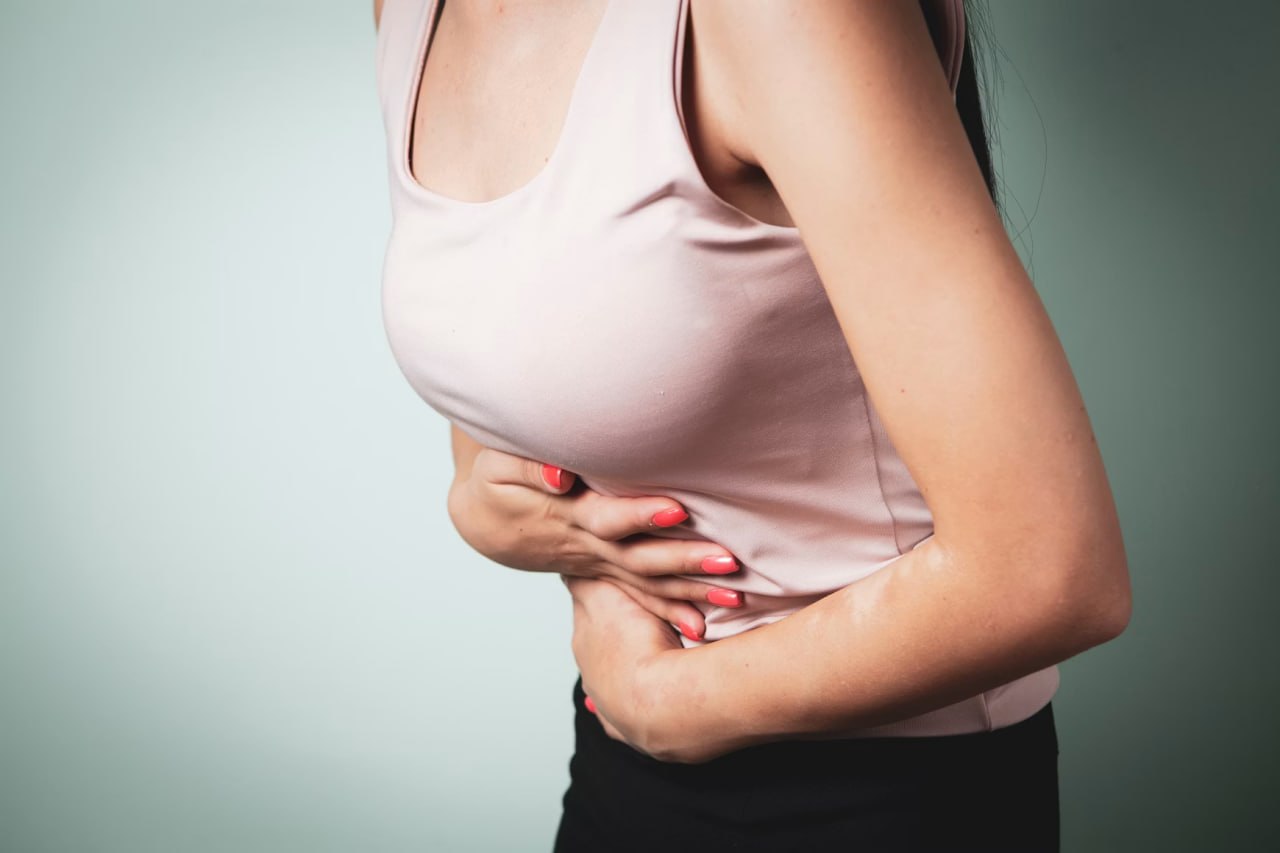
Diarrhea soon after eating can turn an ordinary meal into a calculation about time, bathrooms, and whether it feels safe to finish the plate.
Several different problems can produce a similar pattern. These include an acute infection, a medicine side effect, lactose or another carbohydrate intolerance, a disorder of gut-brain interaction such as IBS, or another digestive condition. The timing and context can give a clinician useful clues, but they cannot identify the cause on their own.
This guide explains possible reasons for post-meal diarrhea, what is useful to record, and when to seek medical care instead of continuing to track symptoms by yourself.
The gastrocolic reflex can explain the speed
Eating naturally signals the colon to contract. This is called the gastrocolic reflex. It can create an urge to have a bowel movement shortly after a meal, before the food you just ate has travelled through the digestive tract.
For some people with IBS, that response may feel especially strong. However, urgency after a meal does not prove that the reflex is the only cause, and it does not show that the most recent food caused the diarrhea. Infection, medicine effects, food intolerance, and other digestive conditions can overlap with the same timing.
A very fast response after the first bites of a meal does not mean that meal has already reached the colon. The meal may have prompted the colon to move material that was already there.
Possible causes of diarrhea after eating
Acute infection or food poisoning
A new episode of diarrhea may be caused by viral gastroenteritis or food poisoning rather than a recurring food sensitivity. Fever, vomiting, blood in the stool, recent travel, or other people becoming ill after the same meal are reasons to consider an infection and seek appropriate medical advice.
Medicines and supplements
Antibiotics, magnesium-containing antacids, and some liquid medicines containing sugar alcohols can cause diarrhea. Other medicines and supplements can also affect bowel habits. Review recent changes with a pharmacist or clinician rather than stopping a prescribed medicine on your own.
Lactose and other carbohydrate intolerances
Lactose intolerance can cause diarrhea, gas, and bloating after foods or drinks containing lactose. Problems digesting fructose, sucrose, or sugar alcohols can also cause diarrhea in some people. Symptoms alone cannot reliably distinguish these from IBS or another condition. A clinician may use your history, a supervised dietary change, or testing when appropriate.
Coffee
Coffee can stimulate colon activity, and both caffeinated and decaffeinated coffee have produced a response in small studies. Direct studies of coffee-induced motility in people with IBS are limited. A repeated diary pattern may support a cautious personal observation, but it cannot prove whether caffeine, coffee itself, the meal, or another factor caused the episode. See coffee and IBS for a closer look at the evidence.
Fat and meal size
Some people report more urgency after high-fat or large meals. Meal size can also strengthen the normal post-meal bowel response. These observations can be useful to record, but they are not diagnostic and should not be used to justify broad or long-term dietary restriction without guidance.
FODMAPs and other poorly absorbed carbohydrates
Some fermentable carbohydrates may be poorly absorbed and can contribute to symptoms in people with IBS. The response varies by person, portion, and the rest of the meal. A low-FODMAP diet is a structured, temporary process with reintroduction, not a general list of foods to avoid indefinitely. If substantial restriction is being considered, work with a registered dietitian or clinician.
Bile acid diarrhea
Excess bile acids reaching the colon can cause chronic watery diarrhea and urgency. Research has found evidence of bile acid malabsorption in a substantial minority of people studied for presumed IBS with diarrhea, but estimates depend on the population and test used. A meal pattern cannot diagnose bile acid diarrhea. A clinician can decide whether evaluation or a treatment trial is appropriate, especially when watery diarrhea is persistent.
What to record for a medical conversation
A short record can make a recurring pattern easier to explain. Useful details include:
- When the meal began and when urgency or diarrhea started
- Stool frequency and appearance, including blood, black stool, or greasy stool
- Food, drink, approximate portion size, and whether the meal was unusually large or rich
- Other symptoms such as pain, fever, vomiting, bloating, weight loss, or waking from sleep
- Recent travel, illness contacts, antibiotics, and changes to medicines or supplements
- Whether similar meals were followed by symptoms on more than one occasion, and whether they were also eaten without symptoms
A repeated pattern may suggest a possible association worth discussing or testing carefully. One episode after one meal is not enough to identify a cause. A diary also cannot rule out infection, inflammation, celiac disease, bile acid diarrhea, or another condition that may need medical assessment.
Record the time and the full context rather than labelling the most recent food as a trigger. That preserves useful evidence without turning a coincidence into a conclusion.
Keep the timing and context together
Log meals and symptoms by voice or text. Find My Triggers can organize the record and surface possible associations for review, but it cannot diagnose the cause of diarrhea or prove that a food caused it.
Start Tracking Free →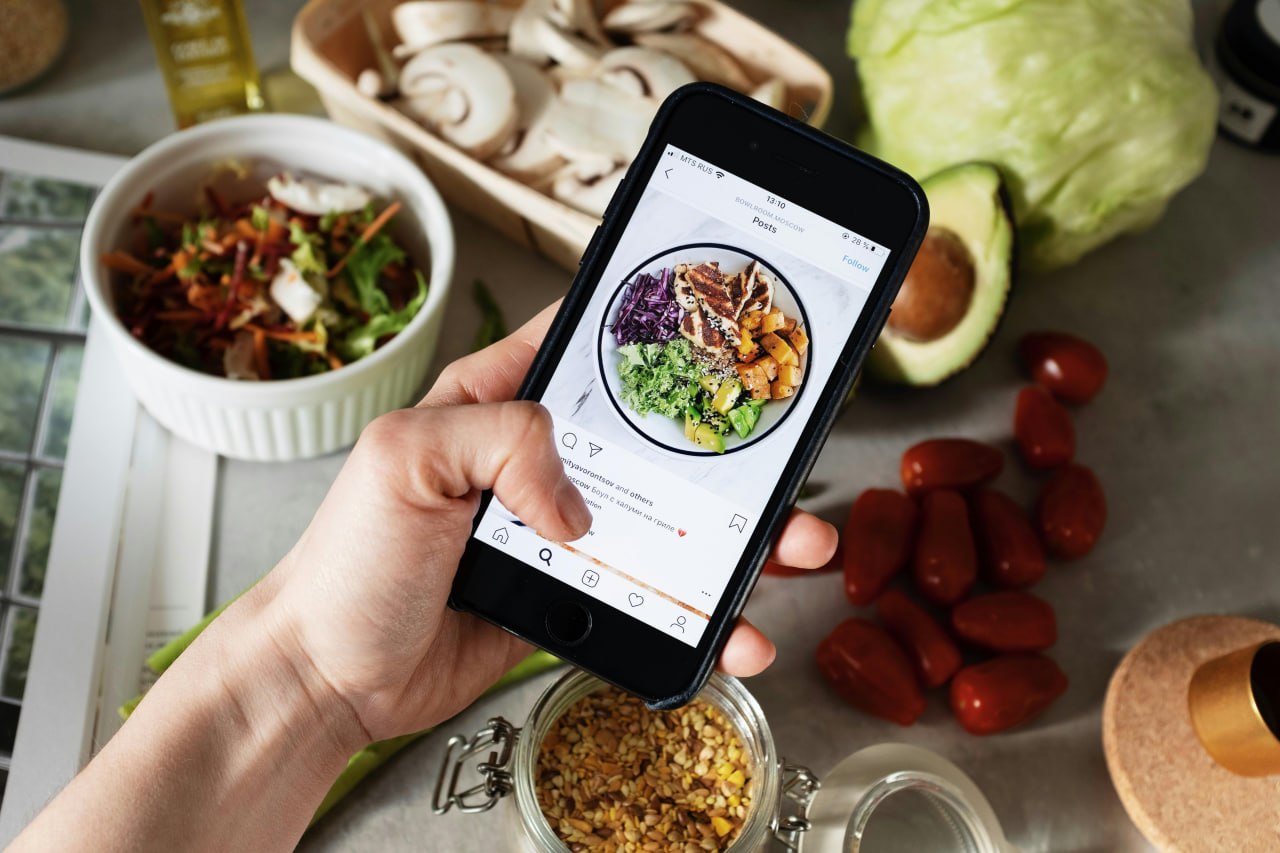
When to seek medical help
Seek medical help promptly for black or bloody stool, pus in the stool, severe abdominal or rectal pain, frequent vomiting, high fever, signs of dehydration, or a marked change in alertness or energy. Adults should also contact a doctor promptly if diarrhea lasts more than two days or there are six or more loose stools in a day. People who are pregnant, over 65, taking antibiotics, or immunocompromised should keep in touch with a clinician because complications can be more likely.
Recurring or chronic watery diarrhea also deserves assessment rather than repeated food elimination. Depending on the history, a clinician may consider stool or blood tests, celiac disease, inflammation, infection, food intolerance, medicine effects, or bile acid diarrhea. Diarrhea lasting four weeks or more is considered chronic, but you do not need to wait four weeks when symptoms are severe, worsening, or accompanied by warning signs.
While seeking advice, pay attention to hydration. Diarrhea can cause dangerous fluid and electrolyte loss. Extreme thirst, dry mouth, urinating less than usual, dark urine, dizziness, or unusual tiredness can be signs of dehydration.
Diarrhea after eating can reflect an acute infection, a medicine effect, an intolerance, IBS, bile acid diarrhea, or another digestive condition. Timing and meal context can help describe a possible pattern, but they cannot diagnose the cause. Record the pattern without assuming the last food was responsible, and seek medical care for persistent symptoms, dehydration, blood or black stool, severe pain, fever, frequent vomiting, or other warning signs.
Sources
- National Institute of Diabetes and Digestive and Kidney Diseases: Symptoms and Causes of Diarrhea
- National Institute of Diabetes and Digestive and Kidney Diseases: Diagnosis of Diarrhea
- National Institute of Diabetes and Digestive and Kidney Diseases: Treatment of Diarrhea
- American Gastroenterological Association GI Patient Center: Diarrhea
- American Gastroenterological Association: Evaluation of Chronic Diarrhea Guideline Summary
- StatPearls, NCBI Bookshelf: Physiology, Gastrocolic Reflex
- Dorfman L, El-Chammas K, Mansi S, Kaul A. Gastrocolonic Response. Current Gastroenterology Reports, 2022
- Rao SS et al. Is coffee a colonic stimulant? European Journal of Gastroenterology & Hepatology, 1998
- Brown SR, Cann PA, Read NW. Effect of coffee on distal colon function. Gut, 1990
- Monash University: Starting the Low FODMAP Diet
- Slattery SA et al. Systematic review with meta-analysis: bile acid malabsorption in IBS with diarrhea. Alimentary Pharmacology & Therapeutics, 2015


This article is for informational purposes and is not medical advice. Talk to your doctor before making dietary changes.
Start with the free 7-Day Trigger Discovery Challenge
Not ready for the app yet? Download the printable guide and work through 7 days of structured observation, with a few practical follow-up emails to help you stay on track.
- 20-page guide delivered immediately by email
- Daily meal, symptom, and lifestyle tracking pages
- Designed to help you spot early trigger patterns without overwhelm
Free - delivered straight to your inbox
🔒 No spam, we promise. Unsubscribe any time.
Or skip straight to the app - start tracking free →
Ready to find your triggers?
Track by voice. Let AI surface possible patterns.
Log meals and symptoms in seconds. AI structures your data and surfaces possible patterns, including delayed associations worth testing.
Start Tracking Free →Free to start · $59 one-time for full insights · No subscription