
Understanding IBS
Fatty Food and IBS Urgency
Fried chicken, a rich sauce, a heavy takeout order, and suddenly you need a bathroom now. Here's why fat drives urgency, and how meal size makes it worse.

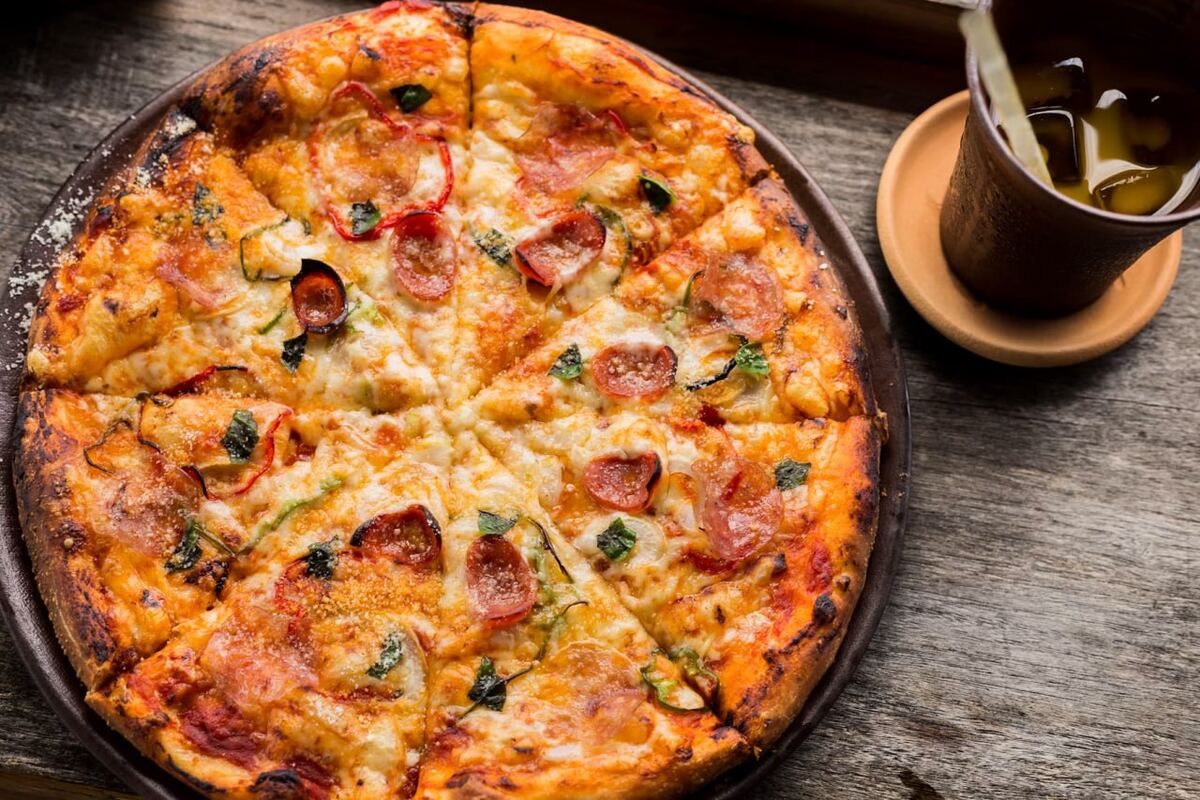
Most trigger foods produce discomfort. Fat produces a deadline.
A plate of fried food or a rich curry can feel entirely fine going down and become urgent within the hour - not gradually uncomfortable, but suddenly and non-negotiably urgent. That's a different experience from bloating after bread, and it happens through a different mechanism, which is why the usual advice about portion sizes and elimination diets fits it poorly.
The mechanism is hormonal rather than fermentative, and understanding it explains both the speed and the specific character of the reaction.
Why fat specifically, not just "heavy food"
When fat reaches your small intestine, it triggers the release of a hormone called cholecystokinin (CCK). CCK's normal job is to signal the gallbladder to release bile and the pancreas to release digestive enzymes, so the fat can be broken down and absorbed. But CCK does something else too: it's a major driver of the gastrocolonic reflex, the wave of increased colonic motor activity that happens after eating.
Everyone has a gastrocolonic reflex, it's why many people feel the urge to have a bowel movement shortly after a meal. In IBS, research has found this reflex is often exaggerated, meaning the same fatty meal produces a stronger, faster colonic response than it would in someone without IBS.
That's the key distinction. Fat isn't just "hard to digest" the way some fiber or FODMAP-rich food is. It actively signals your colon to start moving, and in an IBS gut, that signal tends to be amplified. A 2023 study measuring postprandial CCK levels found they rose more substantially in people with IBS than in controls after a meal, alongside signs of a prolonged, exaggerated colonic motor response. One honest caveat: that study's IBS group was constipation-predominant, not the diarrhea-predominant pattern most associated with fat-triggered urgency. It establishes that IBS guts can handle the CCK signal abnormally; it doesn't by itself prove the same mechanism drives urgency in IBS-D. The mechanism is well-described and the direction is plausible - the specific study just isn't in the population you'd want it to be.
There's a second layer to this: CCK also appears to heighten rectal sensitivity to distension in some studies. So it's not only that things are moving faster, it's that the normal sensation of things moving registers as more urgent and more uncomfortable than it would otherwise.
Meal size makes it worse, independent of fat content
Portion size can matter as much as the ingredient itself. A drizzle of olive oil or a few bites of cheese may be tolerated while a large restaurant portion or rich holiday meal is not. That's consistent with what research on lipids and functional gut disorders has found: duodenal lipid exposure produces a dose-dependent motor and sensory response, meaning bigger fat loads produce bigger reactions, and IBS guts tend to register that dose more intensely than non-IBS guts do.
- Total fat load in one sitting matters more than "does this food contain fat"
- Fried and heavily sauced foods concentrate fat in ways that are easy to underestimate by eye
- Eating a large meal fast, rather than slowly, appears to intensify the colonic response
- Combining a high-fat meal with other known triggers (alcohol, caffeine, FODMAPs) tends to stack the effect rather than average it out
That's a meaningfully different picture than "avoid fatty foods," which is the advice most people get and find frustratingly vague. In practice, a lot of people with IBS can tolerate moderate fat spread across a day better than the same total fat concentrated into one large, rich meal.
Fried food specifically, and why cooking method matters
Fried food is usually the version of this people notice first, because deep-frying loads more fat into a serving than almost any other cooking method. How the food is cooked changes the effective dose: deep-fried and heavily battered items generally carry more absorbed oil than pan-fried or air-fried versions of the same dish, so switching the method can lower the CCK trigger without cutting the food itself. The breading is a second variable worth logging, it's often wheat, so a single fried item can stack a fat load and a FODMAP load in the same bite, which is part of why "fried food" gets blamed as a whole when the fat is doing most of the work.
For a fried food you eat often, try the air-fried or pan-fried version on an otherwise similar day and compare. Less absorbed oil means a smaller CCK trigger, even when the food looks and tastes much the same.
Why "fat" is easy to mislabel as something else
Fat rarely travels alone. Fried food is fat plus a crispy coating that's often also high in FODMAPs or gluten. A rich curry is fat plus onion and garlic. A cheeseburger is fat plus dairy plus a bun. If you're tracking triggers by dish name rather than by what's in the dish, it's easy to blame "fried food" broadly, or blame the bun, when the fat load is doing most of the work. This is exactly the kind of confound tracking food and symptoms methodically is built to untangle, separating fat from the other ingredients riding along with it so you're not avoiding an entire category of food based on one confounded data point.
When you log a fatty meal, note whether it was fried, sauced, or just naturally rich (like avocado or nuts), and note the approximate portion size. Those distinctions matter more than "fatty, yes or no."
Find your fat threshold
Log meals and symptoms by voice or text, including how the food was prepared and roughly how much you ate. AI surfaces dose-dependent patterns like a fat threshold, not just a vague "greasy food is bad" conclusion.
Start Tracking Free →If urgency after eating is a broader pattern for you, not just after fatty meals, it's worth reading about diarrhea after eating more generally, since fat is one of several common drivers of a fast post-meal bowel response, alongside large meal size and specific FODMAP content.

Finding your own fat threshold
Because the response is dose-dependent for most people, total avoidance of fat is rarely necessary and can create its own nutritional problems. A more workable approach:
- Log a moderate-fat meal (roughly the amount in a normal restaurant portion, not a diet-sized one) and note the time.
- Track whether urgency shows up in the 30-90 minute window that follows, since that's the typical range for a fat-driven gastrocolonic response.
- On a separate day, try a smaller portion of the same food and compare.
- Pay attention to whether the reaction changes when fat is combined with alcohol, caffeine, or a large overall meal size versus eaten alone in a moderate portion.
Over a few weeks, this usually reveals something more useful than "avoid fried food": a rough ceiling, a specific preparation style, or a combination that's the real driver.
When it's more than a fat sensitivity
Urgency after fatty meals is a common and generally benign IBS pattern. But if it comes with unintentional weight loss, greasy or floating stools that are hard to flush, blood in the stool, or urgency severe enough to regularly interfere with daily life, it's worth raising with a doctor rather than assuming it's IBS. Those signs can point to malabsorption or other conditions that need a different workup than dietary trigger tracking. In particular, if fat triggers watery diarrhea regardless of portion and doesn't respond to portion control at all, it's worth reading about bile acid malabsorption, a distinct and treatable condition that produces a very similar fat-triggered pattern and is often mislabeled as ordinary IBS-D.
You notice unintentional weight loss, pale or oily stools that float or are difficult to flush, blood in the stool, waking at night with symptoms, or urgency severe enough to cause accidents. These aren't typical IBS-fat patterns and deserve a proper medical evaluation.
Fat triggers CCK release, which drives the gastrocolonic reflex, and IBS guts tend to produce an exaggerated version of that response, both in hormone levels and in colonic sensitivity. That's why fatty meals cause urgency specifically, not just general discomfort. The reaction is dose-dependent, so meal size and total fat load in one sitting often matter more than whether a food "contains fat" at all. Tracking preparation style and portion, not just ingredient names, is the fastest way to find your own threshold.
Sources
- Furgała A et al. "Postprandial cholecystokinin release and colonic motor response in irritable bowel syndrome" - Scientific Reports 2023
- Rome Foundation Working Team Report - Lipids and food intake in functional gastrointestinal disorders
- Monash University FODMAP Blog - Does fat play a role in the management of IBS?
- Mearin F, Lacy BE et al. "Bowel Disorders" - Gastroenterology 2016;150:1393-1407 (Rome IV diagnostic framework for IBS)


This article is for informational purposes and is not medical advice. Talk to your doctor before making dietary changes.
Start with the free 7-Day Trigger Discovery Challenge
Not ready for the app yet? Download the printable guide and work through 7 days of structured observation, with a few practical follow-up emails to help you stay on track.
- 20-page guide delivered immediately by email
- Daily meal, symptom, and lifestyle tracking pages
- Designed to help you spot early trigger patterns without overwhelm
Free - delivered straight to your inbox
🔒 No spam, we promise. Unsubscribe any time.
Or skip straight to the app - start tracking free →
Ready to find your triggers?
Track by voice. Let AI surface possible patterns.
Log meals and symptoms in seconds. AI structures your data and surfaces possible patterns, including delayed associations worth testing.
Start Tracking Free →Free to start · $59 one-time for full insights · No subscription