
Understanding IBS
Alcohol and IBS: Which Drinks Are Worst
Beer, wine, or spirits: which actually hits your gut hardest? Here's how alcohol affects IBS symptoms, why the next-day crash happens, and how to find yours.

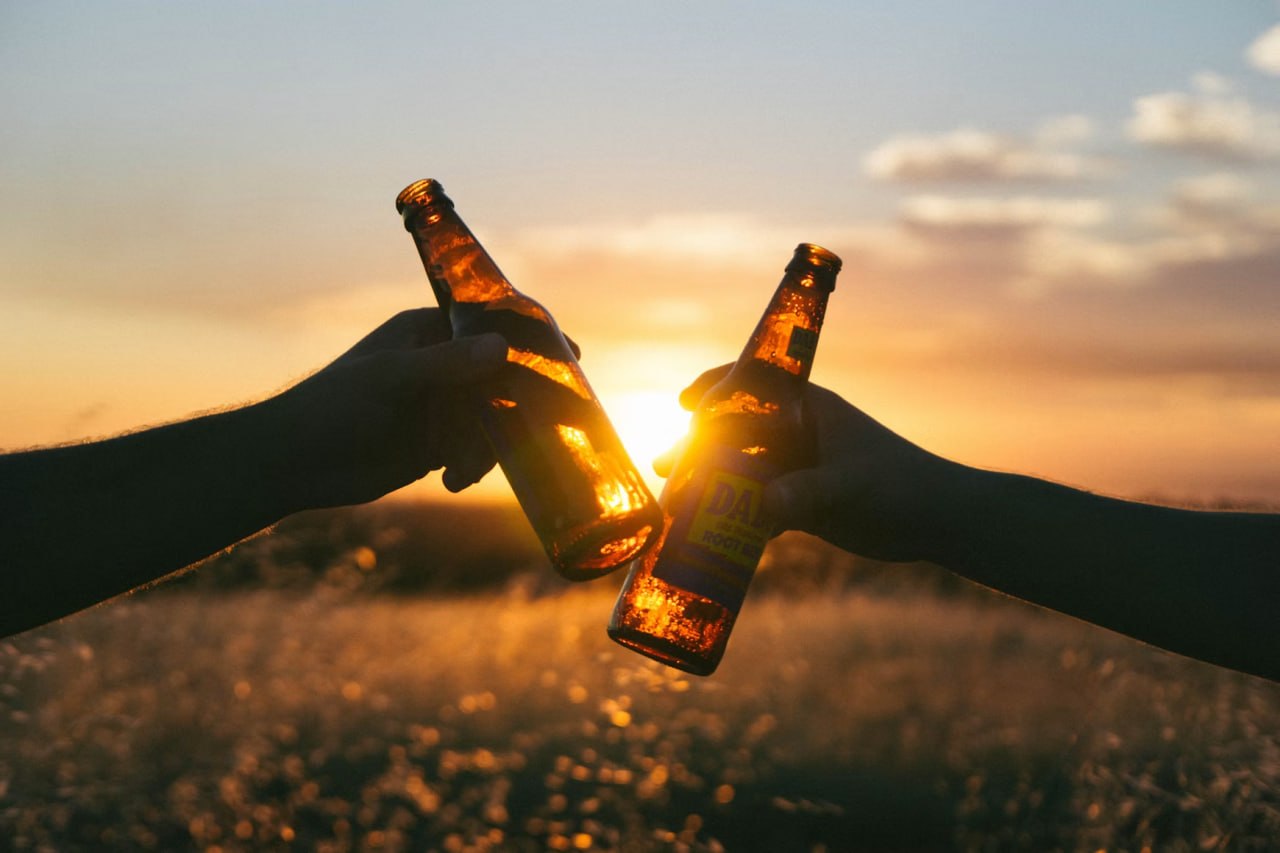
Two people with IBS compare notes. One gave up beer years ago and drinks wine without any trouble. The other handles a beer fine but gets wrecked by red wine. Each comes away thinking the other has misdiagnosed themselves.
Both are reading their own evidence correctly. Most alcoholic drinks carry several distinct gut irritants at once - carbonation, fermentable carbohydrate, histamine, sugar - in wildly different proportions. Which drink causes trouble depends on which of those components your gut objects to, which is why "alcohol is a trigger" is too coarse a conclusion to act on.
This is the breakdown by component, so you can work out which part of the glass is the problem.
Why alcohol affects the gut in the first place
Alcohol isn't neutral for anyone's digestive system, but people with IBS tend to notice it more, and for a few overlapping reasons. It's a direct irritant to the lining of the gut, it changes how quickly things move through the intestine (sometimes speeding transit up, sometimes slowing it down), and it can increase intestinal permeability, the "leakier gut" effect that shows up in some of the research on alcohol and GI symptoms. On top of that, alcohol interacts with the gut-brain axis, the same two-way nervous system link that makes stress a well-documented IBS aggravator.
Alcohol's effect on gut motility isn't consistent in one direction. In IBS with diarrhea (IBS-D), it tends to speed transit and worsen urgency. In IBS with constipation (IBS-C), the dehydrating effect of alcohol can make things worse in the opposite direction. Same substance, different problem depending on your subtype.
None of that means alcohol is off-limits. It means the effect is variable enough, both between people and between drink types, that "alcohol is a trigger" isn't specific enough to actually act on.
Beer, wine, and spirits: not the same trigger
- Beer, the most commonly reported offender for a reason: it combines carbonation (gas load), fermentable carbohydrates from wheat or barley (a FODMAP source for people sensitive to fructans), and in some cases gluten, all stacked into one drink
- Wine, particularly red wine, carries histamines and sulfites from the fermentation process, which some people react to independently of the alcohol itself, plus a meaningful sugar load in sweeter varieties
- Spirits (vodka, gin, tequila, whiskey) taken neat or with a low-FODMAP mixer are generally the most tolerated by volume of alcohol, though sugary mixers, tonic water, and cocktail syrups can reintroduce the exact fermentable-carb problem spirits otherwise avoid
- Cocktails and liqueurs often combine the worst of both worlds, alcohol plus high sugar plus sometimes carbonation, in a single glass
This is why two people with IBS can have completely opposite advice for each other: one swears off beer and drinks wine freely, the other is the exact reverse. Both can be correct, because they're reacting to different components of the same broad category.
Why the "hangover gut" hits the next day, not that night
A pattern a lot of people with IBS notice is that the drink itself doesn't cause immediate symptoms, the crash comes the following morning, sometimes well into the next day. There's a documented reason for that lag. A 2013 study of women with IBS found that binge-level drinking (four or more drinks) was the pattern most strongly associated with gastrointestinal symptoms the next day, not the same night, with the strongest association in IBS-D specifically. Moderate or light drinking showed much weaker links.
That delay matters practically, because it means "I felt fine last night" tells you almost nothing about how your gut is going to respond tomorrow morning. Alcohol slows gastric emptying and disrupts normal small intestine motility in ways that don't fully resolve until well after the alcohol itself has cleared, which is part of why the reaction is delayed rather than immediate.
Finding your own worst offender
Because the culprit could be the alcohol, the carbonation, the sugar, the histamines, or some combination, generic advice ("cut out alcohol") is a blunt instrument. What actually works is isolating the variables one at a time:
- Pick one drink type (say, a specific beer) and log the exact quantity, not just "had a couple."
- Track symptoms for the following 24 hours, not just the same evening, since the reaction is frequently delayed.
- On a separate occasion, try a low-carbonation, low-FODMAP option in the same quantity (a spirit with soda water, for example) and compare.
- Repeat across a few drink types before drawing conclusions, since a single bad night can have other contributing causes, like what you ate alongside it.
This is exactly the kind of comparison that's nearly impossible to do reliably from memory, because by the time symptoms show up the next day, the details of what and how much you drank have usually blurred. Structured tracking is what turns "alcohol messes with my gut" into "two beers on an empty stomach is my actual threshold."
Next-day symptoms need next-day data
Log drinks and meals by voice or text, and let AI connect them to symptoms that show up the next day, not just that night. Delayed reactions are exactly where memory fails and tracking helps.
Start Tracking Free →
A few things that tend to help, if you're not ready to cut it out
- Eat before and while drinking. Alcohol on an empty stomach reaches the small intestine faster and produces a stronger motility effect.
- Pace and hydrate. Given how strongly the research links binge-level drinking (four or more in one sitting) to next-day symptoms, slower pacing with water in between is one of the more direct levers you have.
- Swap the mixer, not just the base spirit. Tonic water, regular soda, and sweet liqueurs often carry more of the actual trigger load than the alcohol itself.
- Watch for it stacking with other known triggers. A trigger food eaten the same night as alcohol can make it hard to tell which one actually caused the next-day symptoms, which is another reason isolating variables matters.
If you're testing tolerance, pick a low-key week to do it, one where a rough next morning won't collide with something you can't afford to feel bad for.
If your symptoms after drinking are severe, involve significant pain, or don't fit the usual pattern you'd expect from IBS, it's worth raising with a doctor rather than assuming it's simply "how your gut handles alcohol." The Rome IV framework used to diagnose IBS is built around this kind of recurring, identifiable pattern, and a clinician can help confirm whether alcohol is the whole story or one piece of a larger one.
Alcohol isn't a single trigger for IBS, it's a bundle of separate ones (carbonation, fermentable carbs, histamines, sugar) that vary by drink type. Beer tends to combine the most of these; spirits with a plain mixer tend to carry the fewest. Symptoms are often delayed by 12-24 hours, especially after binge-level drinking, which is why tracking drink type, quantity, and next-day symptoms together is far more useful than avoiding "alcohol" as a whole category.
Sources
- Reding KW et al. "Relationship between Patterns of Alcohol Consumption and Gastrointestinal Symptoms among Patients with Irritable Bowel Syndrome" - American Journal of Gastroenterology 2013
- Mearin F, Lacy BE et al. "Bowel Disorders" - Gastroenterology 2016;150:1393-1407 (Rome IV diagnostic framework for IBS)
- Monash University FODMAP Diet - fermentable carbohydrate content in beer, wine, and mixers
This article is for informational purposes and is not medical advice. Talk to your doctor before making dietary changes.
Start with the free 7-Day Trigger Discovery Challenge
Not ready for the app yet? Download the printable guide and work through 7 days of structured observation, with a few practical follow-up emails to help you stay on track.
- 20-page guide delivered immediately by email
- Daily meal, symptom, and lifestyle tracking pages
- Designed to help you spot early trigger patterns without overwhelm
Free - delivered straight to your inbox
🔒 No spam, we promise. Unsubscribe any time.
Or skip straight to the app - start tracking free →
Ready to find your triggers?
Track by voice. Let AI surface possible patterns.
Log meals and symptoms in seconds. AI structures your data and surfaces possible patterns, including delayed associations worth testing.
Start Tracking Free →Free to start · $59 one-time for full insights · No subscription