
Understanding IBS
Probiotics for IBS: Do They Actually Help?
Probiotics get recommended for almost every gut issue. Here's what the evidence actually supports, why strain matters, and how to test one properly.

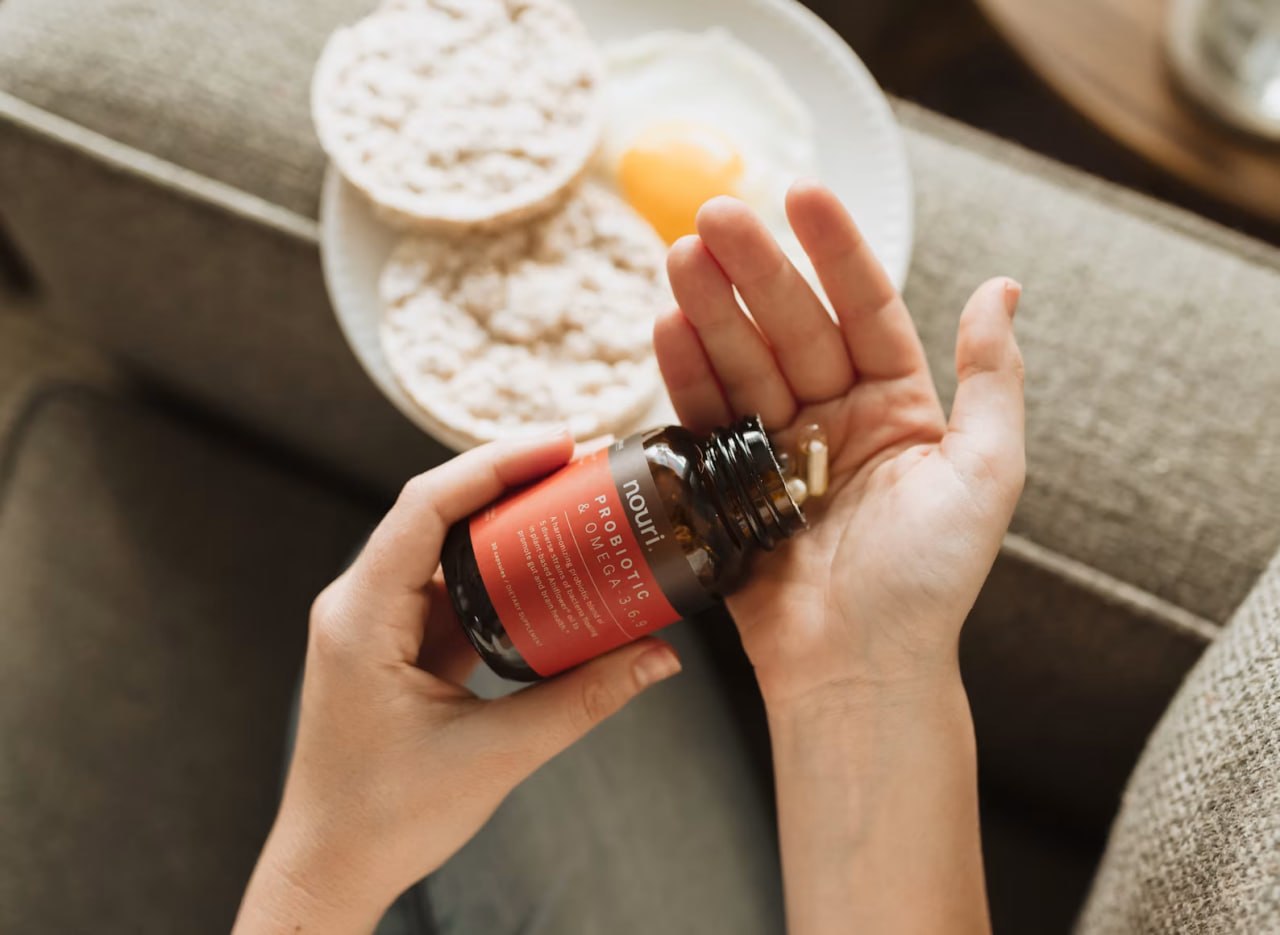
Few IBS remedies are recommended as casually as probiotics. The advice is rarely specific: just "take a probiotic," as if every bottle on the shelf does the same thing. It doesn't, and that vagueness is exactly why so many people try one, feel nothing, and conclude probiotics don't work at all, when the honest answer is more like "that particular strain, at that dose, didn't work for you."
Here's what the actual research says about probiotics and IBS, where the evidence is genuinely encouraging, where it's shaky, and how to trial one in a way that gives you a real answer instead of a shrug.
Where the probiotic evidence stands
The largest and most cited body of evidence here is a systematic review and meta-analysis pooling 53 randomized controlled trials and over 5,500 patients, examining probiotics, prebiotics, and synbiotics for IBS. It found that probiotics as a category showed a statistically significant benefit over placebo for global IBS symptoms and abdominal pain.
That same review rated the overall quality of the evidence as very low, mainly because the included trials used dozens of different strains, doses, and durations, which makes it hard to say which specific product an individual result applies to.
That "very low quality, but a real signal" finding is the honest state of the science, and it's why different expert bodies land in slightly different places. The American College of Gastroenterology's 2021 clinical guideline actually recommends against routinely using probiotics for global IBS symptoms, citing a lack of strong, consistent data across trials. Meanwhile, dietetic guidelines in the UK take a more permissive stance, treating a specific-strain probiotic trial as reasonable to attempt for four weeks, with the explicit instruction to stop if there's no improvement by then.
Why strain specificity is the part that gets skipped
"Probiotic" is a category name, not a single product, in the same way "medication" isn't a single drug. Different bacterial strains, even within the same species, can have completely different effects in the gut. A strain studied for IBS-D symptom reduction has no guaranteed relevance to IBS-C, and a multi-strain blend sold as a general wellness product may contain none of the specific strains that showed benefit in trials.
- Look for the specific strain designation on the label (the letters and numbers after the species name, like Lactobacillus plantarum 299v), not just the genus and species
- Match the strain to the symptom pattern it was actually studied for where possible, rather than assuming any probiotic covers any symptom
- Check the colony-forming unit (CFU) count against what was used in the relevant trial, since underdosed products are common
- Expect a trial period of at least 4 weeks before judging results, since bacterial colonization and symptom response both take time
This is also why "I tried probiotics and they didn't work" is often true and incomplete at the same time. One strain not working says very little about whether a different one might.
Where probiotics fit relative to other IBS approaches
Probiotics are not positioned as a first-line or standalone fix in most evidence-based IBS management approaches. They're generally considered alongside, not instead of, dietary approaches like the low-FODMAP diet, and other management steps. If your IBS has an identifiable food trigger, probiotics are unlikely to override that, no strain fixes a dose of lactose in someone who's lactose intolerant, for example.
People who are immunocompromised, critically ill, or have a central line should talk to a doctor before starting a probiotic, since rare cases of bacteremia linked to probiotic use have been documented in these groups. For most otherwise healthy adults, probiotics are considered low risk, but they aren't automatically risk-free for everyone.
Where probiotics tend to make the most sense is as one variable in a broader plan you're already tracking, alongside food triggers, stress, and sleep, not as a silver bullet tried in isolation and judged after a few days.

How to actually trial one
- Pick a single strain with some trial evidence behind it for your symptom pattern, rather than a broad multi-strain blend, so you can attribute any change to something specific.
- Start your food and symptom log a week before you start the probiotic, so you have a real baseline to compare against, not a guess at how you "normally" feel.
- Take it consistently, at the studied dose, for at least 4 weeks, without changing other major variables in your diet at the same time.
- Compare your logged symptom frequency and severity before versus during, not just your general impression, since IBS symptoms fluctuate enough that memory alone is unreliable here.
- If there's no meaningful change by 4 weeks, stop and consider it a genuine negative result for that strain, not a verdict on probiotics generally.
That last step is the one people skip most often, either giving up after a few days or staying on an ineffective product for months because stopping feels like giving up. A dated, logged comparison removes the guesswork from both mistakes.
It's also worth watching more than just gut symptoms during the trial. Bloating and stool frequency are the obvious markers, but some people notice changes in energy, appetite, or how quickly they feel full, and those secondary effects can be useful signals too, especially in a strain that's still building evidence for anything beyond the headline symptom.
Run a probiotic trial you can read
Log meals, supplements, and symptoms by voice or text. AI helps you see whether a probiotic trial is actually moving the needle, alongside your real food triggers, not in isolation from them.
Start Tracking Free →If you're weighing probiotics against other IBS remedies with a similar "worth trying, worth tracking" profile, peppermint oil for IBS and fiber and IBS are worth reading with the same self-trial approach in mind.
The largest meta-analysis of probiotics for IBS found a real but low-quality-evidence benefit for global symptoms, which is why major guidelines differ on how strongly to recommend them. Strain, dose, and duration all matter more than the general word "probiotic," so a single failed attempt doesn't rule out the category. A structured 4-week trial, tracked against a real baseline, is the only way to know whether a specific probiotic is actually helping you.
Sources
- Ford AC et al. "Systematic review with meta-analysis: the efficacy of prebiotics, probiotics, synbiotics and antibiotics in irritable bowel syndrome" - Alimentary Pharmacology & Therapeutics 2018;48:1044-1060
- Lacy BE et al. "ACG Clinical Guideline: Management of Irritable Bowel Syndrome" - American Journal of Gastroenterology 2021;116(1):17-44
- McKenzie YA et al. "British Dietetic Association systematic review of systematic reviews and evidence-based practice guidelines for the use of probiotics in the management of irritable bowel syndrome in adults (2016 update)" - Journal of Human Nutrition and Dietetics 2016


This article is for informational purposes and is not medical advice. Talk to your doctor before making dietary changes.
Start with the free 7-Day Trigger Discovery Challenge
Not ready for the app yet? Download the printable guide and work through 7 days of structured observation, with a few practical follow-up emails to help you stay on track.
- 20-page guide delivered immediately by email
- Daily meal, symptom, and lifestyle tracking pages
- Designed to help you spot early trigger patterns without overwhelm
Free - delivered straight to your inbox
🔒 No spam, we promise. Unsubscribe any time.
Or skip straight to the app - start tracking free →
Ready to find your triggers?
Track by voice. Let AI surface possible patterns.
Log meals and symptoms in seconds. AI structures your data and surfaces possible patterns, including delayed associations worth testing.
Start Tracking Free →Free to start · $59 one-time for full insights · No subscription