
Understanding IBS
Fiber and IBS: Why It Helps Some and Hurts Others
Fiber advice for IBS is confusing because it's incomplete. Soluble and insoluble fiber behave differently in a sensitive gut. Here's how to find your dose.

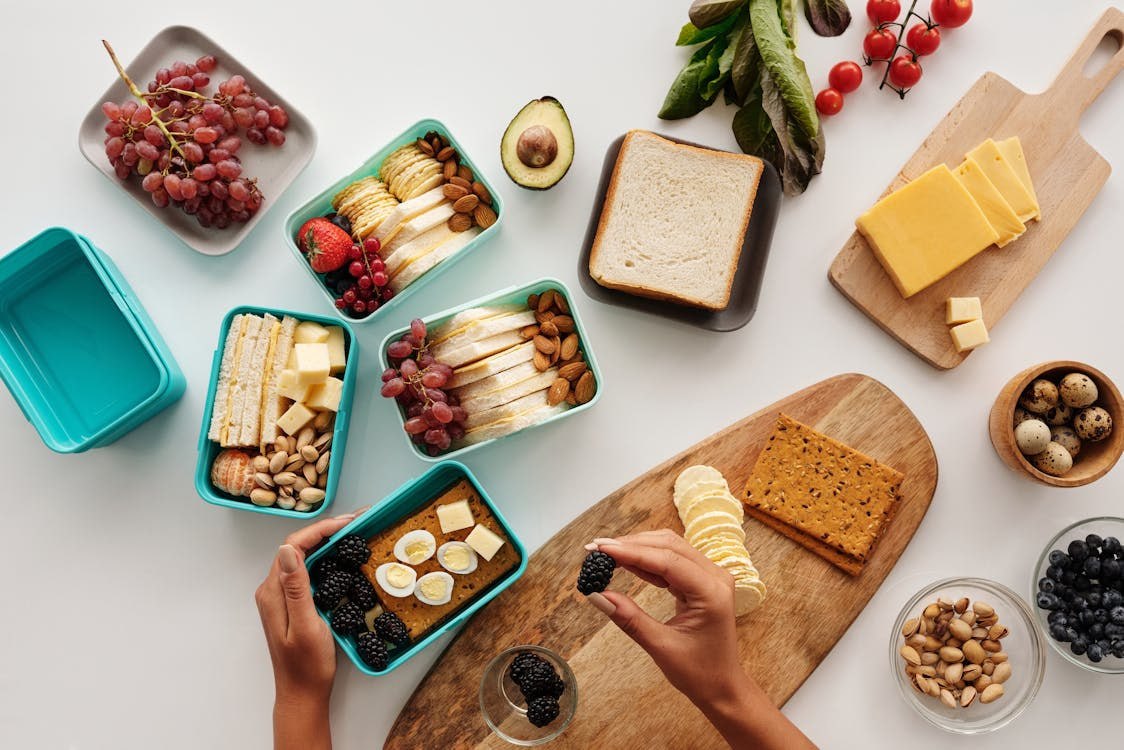
"Eat more fiber" is the most common advice given for any gut complaint, and as stated it's close to useless, because it doesn't say which fiber. The word covers two categories that behave so differently in an IBS gut that following the advice with the wrong one can leave you worse off than doing nothing - which is the common experience of anyone who responded to it by adding bran and whole wheat to everything.
That distinction is the missing piece for most people who've concluded fiber doesn't work for them.
Soluble and insoluble fiber are not the same thing
Soluble fiber dissolves in water and forms a gel-like substance in the gut. It's found in oats, psyllium husk, barley, and beans, and it tends to slow digestion and soften stool gently, which is why it helps with both diarrhea and constipation depending on the person. Insoluble fiber doesn't dissolve, it adds bulk and speeds up transit through the gut. It's found in wheat bran, the skins of many fruits and vegetables, and whole grains.
A 2014 systematic review and meta-analysis of fiber supplementation in IBS found a clear benefit for soluble fiber on global symptoms, and no significant effect from insoluble fiber such as bran (RR 0.90). It's worth being precise about the second half of that: the authors also stated they "did not uncover any evidence of harm" from bran. No benefit is not the same as damage, and the honest summary is that bran mostly just doesn't do what it was recommended for.
That distinction is the single biggest reason fiber advice backfires. If you were told to "eat more fiber" and reached for wheat bran or a high-fiber cereal, you added the type with no demonstrated benefit for IBS symptoms, while the type that does have trial evidence behind it - soluble fiber - was never mentioned. You then spent weeks eating something unpleasant, concluded fiber doesn't work for you, and stopped. Plenty of people report bran making them feel worse, and that's worth taking seriously as personal information; it just isn't what the pooled trial data shows.
Why insoluble fiber can feel worse for some people
Insoluble fiber increases stool bulk and speeds transit by mechanically stimulating the gut wall. In a gut without visceral hypersensitivity, that's usually just efficient digestion. In IBS, where the nerves lining the gut register normal stretching and pressure as pain or urgency, that same mechanical bulk can translate directly into cramping, bloating, and worse symptoms rather than relief.
This is also why "just eat more vegetables" doesn't reliably help either, since many vegetables carry a mix of both fiber types plus, separately, their own FODMAP content, which is a different variable entirely from fiber type.
Fiber type and FODMAP content are two separate problems
It's easy to lump fiber and FODMAPs together because they show up in a lot of the same foods, but they cause symptoms through different mechanisms. Fiber's effect is mostly mechanical, bulk and transit speed acting on a gut wall that may be overly sensitive to stretch. FODMAPs cause symptoms through fermentation, fermentable carbohydrates pulling water into the bowel and feeding gas-producing bacteria. A food can be high in one, the other, both, or neither, and treating them as the same variable is a common source of confusion.
That's part of why a food that's technically a good soluble fiber source, like certain beans or apples with the skin on, can still cause problems for a different reason entirely, their FODMAP content, independent of whether the fiber type was the right one. Separating these two questions, "is this the right fiber type for me" and "is this also a high-FODMAP food for me," makes troubleshooting a lot more precise than treating every reaction as a fiber reaction.
Finding your type and your dose
Fiber tolerance in IBS is genuinely individual, both in which type helps and how much. The practical approach is to introduce it deliberately rather than all at once:
- Start with a soluble fiber source specifically, like psyllium husk, oats, or a small serving of a low-FODMAP legume, rather than a generic "high fiber" product
- Increase gradually over 2-3 weeks rather than adding a large amount at once, since a sudden increase in any fiber type commonly causes temporary bloating and gas even when it's the right type long-term
- Pair increased fiber with adequate water intake, since soluble fiber's gel-forming effect depends on enough fluid to work as intended
- Track your response by symptom type, since fiber can improve stool consistency while still causing bloating in the short term, and those are two different signals worth separating
- If a specific insoluble source (bran, certain raw vegetable skins) reliably worsens symptoms, that's useful information on its own, not a sign fiber in general is the problem
A sudden, unexplained change in fiber tolerance, especially alongside unintentional weight loss, rectal bleeding, or new symptoms after age 50, should be evaluated by a doctor rather than managed through diet adjustments alone, since these can signal something beyond IBS.

Why this is a tracking problem, not a one-size answer
Because the right fiber type, the right amount, and the timeline for judging results all vary by person, generic fiber advice was never going to work for everyone the same way. The two-variable nature of it, type and dose, is exactly the kind of thing that's hard to hold in your head over several weeks but easy to see clearly in a log: which fiber source, how much, and what happened to bloating, pain, and stool consistency over the following days.
That's also where fiber changes interact with other things you might be adjusting at the same time, a new supplement, a diet change, stress levels. Separating "the fiber increase did this" from "something else did this" is much easier with dated entries than with a general sense of how the week went.
Know whether the fiber change worked
Log meals, fiber sources, and symptoms by voice or text. AI helps you see whether a specific fiber change is actually improving your symptoms over the weeks it takes to know for sure.
Start Tracking Free →If fiber is one piece of a broader plan that includes a supplement trial, probiotics for IBS covers the same self-trial approach for a different variable, and the low-FODMAP diet explained covers how fiber-rich foods can also carry a separate FODMAP load worth accounting for.
Fiber advice for IBS fails when it doesn't distinguish soluble from insoluble fiber. Soluble fiber (oats, psyllium, barley) has real trial evidence behind it, with a number needed to treat of 7. Insoluble fiber such as wheat bran shows no significant benefit in the same pooled data - though the reviewers found no evidence of harm from it either, so "bran made me worse" is a personal observation to test rather than an established effect. The right type and dose are individual, introduced gradually and tracked over several weeks, not a single "eat more fiber" instruction.
Sources
- Moayyedi P et al. "The Effect of Fiber Supplementation on Irritable Bowel Syndrome: A Systematic Review and Meta-analysis" - American Journal of Gastroenterology 2014;109:1367-1374
- Lacy BE et al. "ACG Clinical Guideline: Management of Irritable Bowel Syndrome" - American Journal of Gastroenterology 2021;116(1):17-44
- McKenzie YA et al. "British Dietetic Association systematic review and evidence-based practice guidelines for the dietary management of irritable bowel syndrome in adults (2016 update)" - Journal of Human Nutrition and Dietetics 2016;29:549-575


This article is for informational purposes and is not medical advice. Talk to your doctor before making dietary changes.
Start with the free 7-Day Trigger Discovery Challenge
Not ready for the app yet? Download the printable guide and work through 7 days of structured observation, with a few practical follow-up emails to help you stay on track.
- 20-page guide delivered immediately by email
- Daily meal, symptom, and lifestyle tracking pages
- Designed to help you spot early trigger patterns without overwhelm
Free - delivered straight to your inbox
🔒 No spam, we promise. Unsubscribe any time.
Or skip straight to the app - start tracking free →
Ready to find your triggers?
Track by voice. Let AI surface possible patterns.
Log meals and symptoms in seconds. AI structures your data and surfaces possible patterns, including delayed associations worth testing.
Start Tracking Free →Free to start · $59 one-time for full insights · No subscription