
Understanding IBS
Peppermint Oil for IBS: Does It Work?
Peppermint oil is one of the few IBS remedies with real trial evidence behind it. Here's what the research supports, how it works, and how to trial it properly.

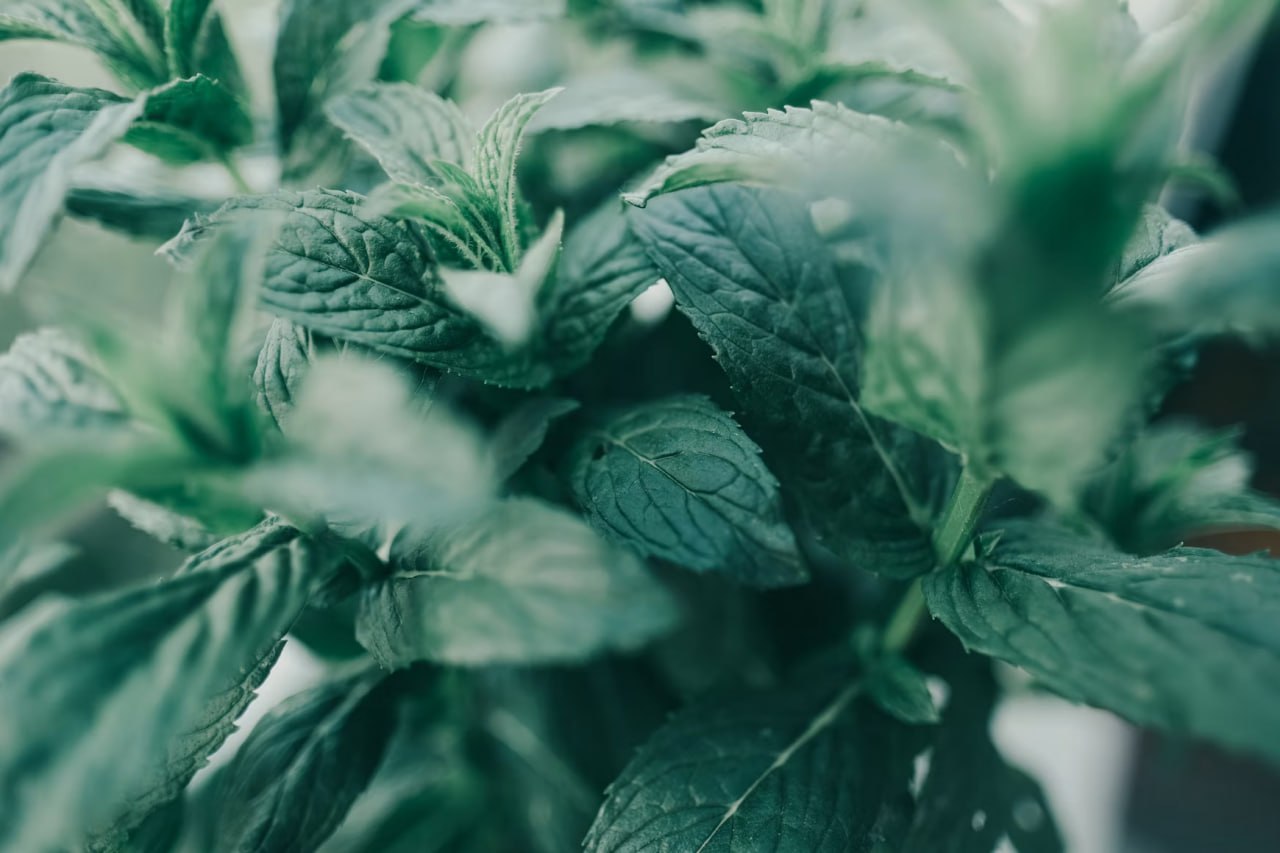
Of all the things I've been told to try for my IBS over the years, peppermint oil is the one that came with an oddly specific instruction: enteric-coated capsules, not tea, not candy, not the essential oil you'd put in a diffuser. That specificity turned out to matter, and it's a big part of why peppermint oil is one of the few IBS remedies that actually has decent trial evidence behind it, rather than just tradition and word of mouth.
Here's what the research says, why the delivery method is the whole story, and how to trial it in a way that tells you something.
How strong is the evidence?
Peppermint oil has been studied in randomized controlled trials for IBS more than almost any other single natural remedy. A 2019 meta-analysis pooled 12 trials and 835 patients. Within that pool, the seven trials that measured global symptom improvement - 507 patients between them - found peppermint oil roughly 2.4 times as likely as placebo to produce it, with a separate benefit on abdominal pain.
That is a real signal, and it's worth being precise about its limits. A 2022 meta-analysis of 10 trials and over 1,000 patients found the same direction of effect but graded the certainty of the evidence as very low, largely because the individual trials were small, short, and inconsistently designed. Very low certainty doesn't mean the effect is fictional; it means the true size of it is still poorly pinned down.
The American College of Gastroenterology's 2021 clinical guideline gives peppermint oil a conditional recommendation for relieving global IBS symptoms, one of the few over-the-counter, non-prescription options to receive even that level of endorsement.
That combination - a measurable trial signal, honestly graded, plus a guideline-level nod - puts peppermint oil in a different category from most things marketed for IBS. It is a reasonable thing to trial on yourself, with the expectation that it might do nothing.
How it's thought to work
Peppermint oil's main active component, L-menthol, relaxes smooth muscle in the gut wall. IBS pain is driven in large part by spasm and abnormal contraction in the intestine, so a compound that calms that muscle activity has a plausible, direct mechanism, not just a vague "soothing" claim.
That mechanism also explains why delivery method matters so much. Menthol needs to reach the intestine, not just the stomach, to relax the right muscle. Released too early, it mostly causes heartburn and does little for gut symptoms.
Why enteric coating is the whole story
- Enteric-coated capsules are designed to survive stomach acid and dissolve further down in the small intestine, delivering the oil where it can act on the gut wall
- Peppermint tea and candies deliver menthol to the stomach and esophagus, where it can worsen acid reflux rather than calm IBS symptoms
- Sustained-release or "small intestine targeted" capsule formulations are the specific type used in most of the positive clinical trials, not generic peppermint oil pills
- Undiluted peppermint essential oil, the kind sold for diffusers, is not meant for internal use and isn't the product studied in these trials
If you've tried peppermint tea for IBS and it didn't help, or made reflux worse, that's not the same as peppermint oil not working. It's a different delivery method entirely, closer to a different product than a weaker version of the same one.
Where it fits alongside diet and trigger identification
Peppermint oil targets a mechanism, gut smooth muscle spasm, that shows up regardless of which specific food set it off. That's useful, because it means it can help with pain during a flare even before you've identified the exact cause. But it's also a reason not to lean on it as a substitute for figuring out your actual triggers. Taking a capsule that quiets muscle spasm every time you eat a food that reliably causes one is treating the symptom on repeat, rather than removing the reason it's happening.
The two approaches work best together rather than as alternatives. Peppermint oil can take the edge off pain and bloating while you're in the middle of an elimination process or still building up your food and symptom log, without masking the pattern you're trying to see, since it doesn't change stool habits or bloating triggers the way a food change would. Some people find it useful specifically around known high-risk meals, like eating out or a food they're actively testing, as a way to reduce the physical discomfort of a reintroduction challenge without abandoning the challenge itself.
Side effects and who should be cautious
Peppermint oil can worsen heartburn or acid reflux in some people, since it relaxes the lower esophageal sphincter along with gut smooth muscle. It should generally be avoided by people with GERD, and anyone on medications metabolized by the liver should check for interactions, since peppermint oil affects certain liver enzyme pathways. As with any supplement, talk to a doctor before starting if you're pregnant, breastfeeding, or managing another condition.
The most commonly reported side effect in trials was a burning or tingling sensation, usually mild and related to the reflux mechanism above rather than a dangerous reaction. Most people tolerate enteric-coated formulations reasonably well.

How to trial it properly
- Choose an enteric-coated or sustained-release peppermint oil capsule specifically, checking the label for that detail rather than assuming any peppermint product qualifies.
- Take it at the dose the trials actually used: roughly 180-187 mg, three times daily, 30-60 minutes before meals rather than with them. Swallow the capsule whole - breaking or chewing it defeats the coating and is what causes the burning some people report. Give it 4 weeks before judging.
- Track abdominal pain and bloating severity daily from before you start, so you have a real comparison point rather than relying on memory of how bad last month was.
- Note any reflux or heartburn symptoms separately, since that's the main flag that this particular remedy isn't a fit for you.
- If pain and bloating haven't meaningfully improved after a full trial period, it's reasonable to stop and move to a different approach rather than continuing indefinitely on an ineffective supplement.
Know whether the trial worked
Log meals, symptoms, and what you're trying, like peppermint oil, by voice or text. AI helps you see whether pain and bloating are actually improving, alongside your real food triggers.
Start Tracking Free →Peppermint oil is worth trying alongside, not instead of, understanding your actual food triggers. If a flare hits while you're still figuring out your pattern, what to eat during an IBS flare covers gentle options in the meantime.
Peppermint oil has genuine trial evidence for IBS abdominal pain and global symptoms, and a conditional recommendation from the American College of Gastroenterology - though the most recent meta-analysis grades the certainty of that evidence as very low. The benefit depends on using an enteric-coated or sustained-release capsule rather than tea or candy, since the L-menthol needs to reach the small intestine to relax gut muscle. Trials used roughly 180-187 mg three times daily before meals, over 4-8 weeks. Skip it if you have GERD, and track the trial so you get an answer rather than an impression.
Sources
- Alammar N et al. "The impact of peppermint oil on the irritable bowel syndrome: a meta-analysis of the pooled clinical data" - BMC Complementary and Alternative Medicine 2019;19:21
- Ingrosso MR et al. "Systematic review and meta-analysis: efficacy of peppermint oil in irritable bowel syndrome" - Alimentary Pharmacology & Therapeutics 2022;56(6):932-941
- Lacy BE et al. "ACG Clinical Guideline: Management of Irritable Bowel Syndrome" - American Journal of Gastroenterology 2021;116(1):17-44



This article is for informational purposes and is not medical advice. Talk to your doctor before making dietary changes.
Start with the free 7-Day Trigger Discovery Challenge
Not ready for the app yet? Download the printable guide and work through 7 days of structured observation, with a few practical follow-up emails to help you stay on track.
- 20-page guide delivered immediately by email
- Daily meal, symptom, and lifestyle tracking pages
- Designed to help you spot early trigger patterns without overwhelm
Free - delivered straight to your inbox
🔒 No spam, we promise. Unsubscribe any time.
Or skip straight to the app - start tracking free →
Ready to find your triggers?
Track by voice. Let AI surface possible patterns.
Log meals and symptoms in seconds. AI structures your data and surfaces possible patterns, including delayed associations worth testing.
Start Tracking Free →Free to start · $59 one-time for full insights · No subscription