
Understanding IBS
Gluten and IBS: Sensitivity vs Celiac Disease
Gluten and IBS symptoms overlap in confusing ways. Here's how celiac disease, non-celiac gluten sensitivity, and FODMAP wheat reactions differ.

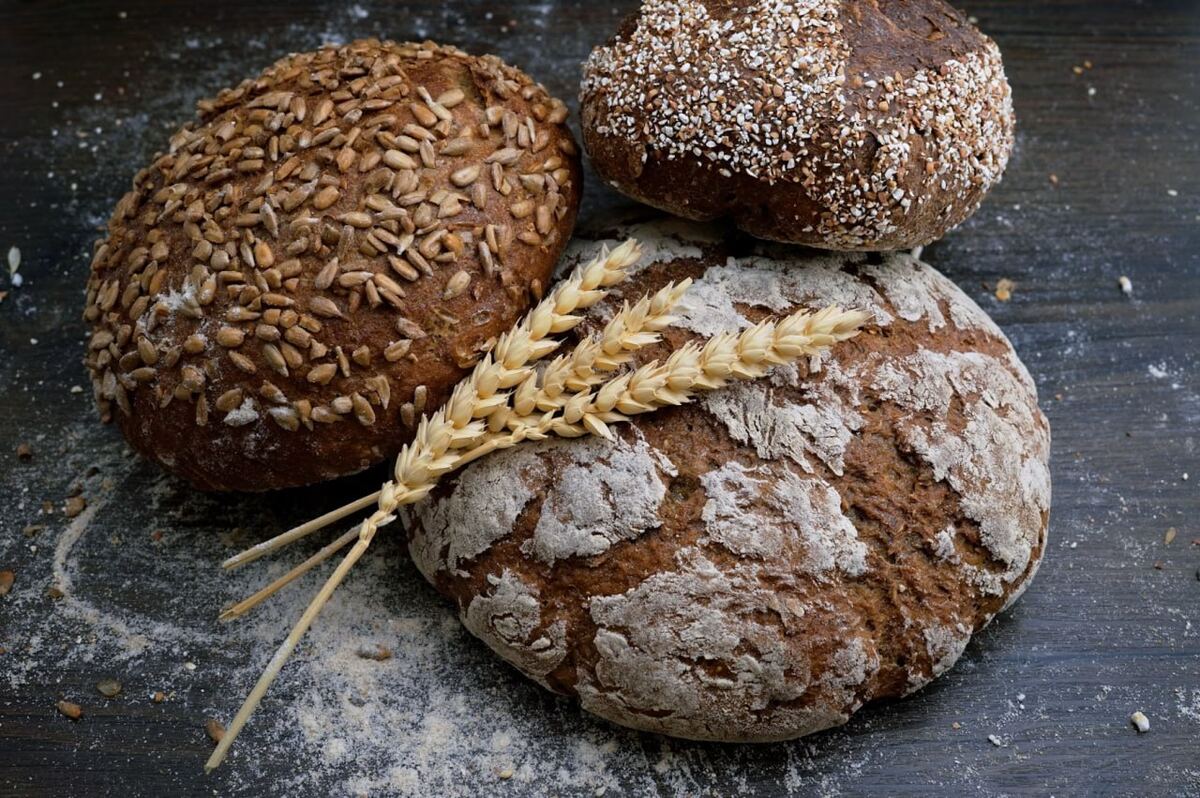
Mention that bread upsets your stomach and someone will ask whether you've been tested for celiac disease. The test comes back negative, and the conversation tends to stop there - as though a negative result should have settled the symptoms too.
It doesn't, and the two facts aren't in conflict. Symptoms after wheat can recur even when celiac disease tests are negative. The explanation may involve gluten, wheat fructans, another wheat component, or something else in the meal.
If you've noticed the same pattern, you're dealing with one of the most confusing overlaps in the IBS world. There isn't just one "gluten problem." There are at least four, and they need different responses.
Four different things get lumped together as "gluten problems"
Celiac disease is an autoimmune condition. When someone with celiac eats gluten, their immune system attacks the lining of their small intestine, causing real, measurable damage. It's diagnosed with a blood test and, usually, a biopsy, not by how someone feels after eating a sandwich. Celiac disease is not an IBS variant. It's a distinct, serious condition that needs medical diagnosis and lifelong, strict avoidance of gluten.
There's also a genetic test for celiac disease, looking for the HLA-DQ2 and HLA-DQ8 gene variants. It's useful mainly for ruling celiac out: without either variant, celiac disease is very unlikely. But the reverse isn't true. Carrying one of these variants doesn't mean you have celiac, since most people with them never develop the disease. A positive genetic result just means further testing (blood antibodies, biopsy) is worth pursuing, not that the diagnosis is confirmed.
Non-celiac gluten or wheat sensitivity (NCGS/NCWS) describes symptoms associated with wheat in people who test negative for celiac disease and wheat allergy. There is no validated blood marker or biopsy finding for it. Clinicians first exclude celiac disease and wheat allergy, then may use a structured removal and reintroduction process. Even then, research has not established that gluten is always the responsible component; fructans and other wheat components may contribute.
FODMAP-driven wheat reactions are another possible explanation for symptoms that feel like a "gluten problem." Wheat contains fructans, a type of fermentable carbohydrate that can contribute to IBS symptoms. That means feeling better with less wheat does not, by itself, identify gluten as the cause. A related article on gluten versus FODMAPs explains why the distinction matters.
Rome IV, the diagnostic framework gastroenterologists use for IBS, doesn't include gluten reactivity as a subtype of IBS. It's treated as a separate, overlapping issue that has to be worked through on its own.
A fourth possibility: wheat allergy
There's one more category worth knowing about, since it's different from all three above. A true wheat allergy is an IgE-mediated immune reaction, not a digestive intolerance. Symptoms can include hives, swelling, wheezing, vomiting, or difficulty breathing and may begin soon after exposure. It requires clinical evaluation, which may include skin-prick or blood IgE testing. Do not deliberately retry wheat at home if you suspect an allergy. Seek urgent medical help for difficulty breathing, throat or tongue swelling, faintness, or a rapidly worsening reaction.
Why the four are worth separating
This isn't just semantics. Getting the category wrong has real consequences.
If you have celiac disease and don't know it, "just avoiding gluten when it seems to bother you" isn't enough. Celiac requires strict, complete avoidance, medical monitoring, and often screening of relatives, because untreated celiac disease carries long-term health risks beyond digestive symptoms.
If you have NCGS or a FODMAP-driven wheat reaction and you're told (or assume) you have celiac, you may end up on a stricter, more expensive, more socially limiting diet than you need, without ever addressing the fructan issue that's the real driver.
If celiac disease is a possibility, get tested before cutting out gluten. Celiac blood tests and biopsies require you to be actively eating gluten to be accurate. Going gluten-free first, even for a few weeks, can produce a false negative and make it much harder to get a clear diagnosis later. Talk to your doctor before making any dietary change if celiac hasn't been ruled out.
How to tell which one you might be dealing with
A few patterns worth paying attention to:
- Celiac disease often comes with other signals beyond digestion: unexplained weight loss, anemia, fatigue, skin rashes (dermatitis herpetiformis), or a family history of celiac. It should always be tested for, not guessed at.
- NCGS/NCWS cannot be identified reliably from symptom timing or portion size alone. Celiac disease and wheat allergy need to be excluded first, and a clinician or registered dietitian can help decide whether a structured challenge is appropriate.
- FODMAP/fructan reactions may vary with portion and with other fructan-rich foods in the same meal. A slice of bread might be tolerated while a large wheat portion with garlic or onion is not. That pattern can support a fructan hypothesis, but it does not diagnose the cause.
Regardless of which pattern fits, certain signals should push you toward medical evaluation rather than self-tracking alone: unexplained weight loss, iron-deficiency anemia, a persistent itchy rash, a family history of celiac disease, or symptoms that don't fit the usual IBS pattern at all. Our guide to when IBS might be something else covers these red flags in more depth.
Sorting the four apart
- Get tested for celiac disease first if it's a possibility, while still eating gluten
- Ask your doctor about ruling out wheat allergy too (a different mechanism entirely)
- Once celiac and allergy are ruled out, track wheat-containing meals alongside symptoms for a few weeks
- Note portion size, not just presence of wheat, in your log
- If a dietary challenge is appropriate, plan it with a clinician or registered dietitian so the comparison is specific and the overall diet remains adequate
- Don't self-diagnose celiac disease based on how you feel alone
- Do not retry wheat at home if you suspect an allergy
If you've already gone gluten-free and feel better, that alone doesn't tell you which category you're in. Gluten-free eating often means less wheat overall, which means fewer fructans too. Feeling better doesn't confirm gluten specifically was the problem.
This is exactly the kind of question tracking is built for. Once you're logging meals with enough detail (bread versus pasta versus beer, small portion versus large, gluten-free versus regular), patterns that felt random start to look consistent. If you haven't set up a system for that yet, our guide to figuring out your food triggers is a good place to start.
Wheat or FODMAPs?
Log meals, portions, other ingredients, and symptoms by voice or text. AI can help surface possible associations to discuss or test carefully, but it cannot diagnose celiac disease, wheat allergy, or gluten sensitivity.
Start Tracking Free →Where that leaves bread
Gluten and IBS overlap, but "gluten problem" isn't one thing. Celiac disease needs medical testing while you are still eating gluten. Non-celiac gluten or wheat sensitivity is considered only after celiac disease and wheat allergy are excluded. Fructans are another plausible explanation for wheat-associated IBS symptoms, and symptom tracking alone cannot prove which component is responsible.
Before assuming gluten is your trigger, ask about celiac testing while still eating gluten and discuss possible wheat allergy when relevant. If those are ruled out, tracking portions, ingredients, and symptoms can help form a hypothesis for a clinician- or dietitian-guided challenge. It cannot confirm the responsible component on its own.
Sources
- Mearin F, Lacy BE et al. "Bowel Disorders" - Gastroenterology 2016;150:1393-1407 (Rome IV diagnostic criteria for IBS)
- NIDDK - Diagnosis of Celiac Disease (blood testing and biopsy; importance of continued gluten consumption before testing)
- Celiac Disease Foundation - Non-Celiac Gluten/Wheat Sensitivity (diagnosis by exclusion and uncertainty about the responsible wheat component)
- Monash University FODMAP Diet - fructan food groups, structured challenges, and dietitian-guided reintroduction



This article is for informational purposes and is not medical advice. Talk to your doctor before making dietary changes.
Start with the free 7-Day Trigger Discovery Challenge
Not ready for the app yet? Download the printable guide and work through 7 days of structured observation, with a few practical follow-up emails to help you stay on track.
- 20-page guide delivered immediately by email
- Daily meal, symptom, and lifestyle tracking pages
- Designed to help you spot early trigger patterns without overwhelm
Free - delivered straight to your inbox
🔒 No spam, we promise. Unsubscribe any time.
Or skip straight to the app - start tracking free →
Ready to find your triggers?
Track by voice. Let AI surface possible patterns.
Log meals and symptoms in seconds. AI structures your data and surfaces possible patterns, including delayed associations worth testing.
Start Tracking Free →Free to start · $59 one-time for full insights · No subscription