
Understanding IBS
Artificial Sweeteners and Gut Symptoms
Sugar-free doesn't mean symptom-free. Here's why polyols like sorbitol and xylitol cause different problems than aspartame, and how to spot which is yours.

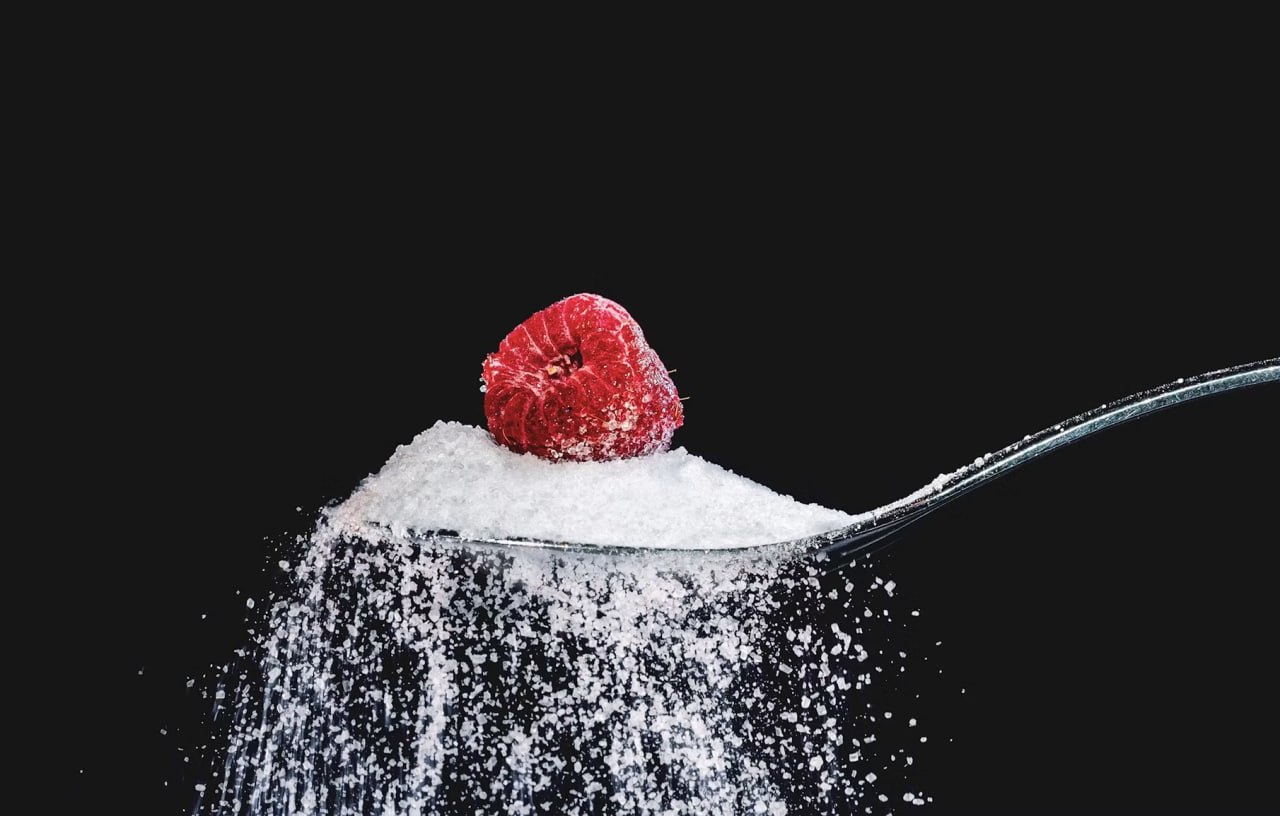
"Sugar-free" on a label tells you what was removed, not what replaced it. Two quite different categories of ingredient do that replacing, and they behave nothing alike once they reach your gut.
Sugar alcohols - sorbitol, xylitol, maltitol and relatives - are poorly absorbed by design, which is exactly what makes them low-calorie and exactly what makes them capable of acting like a mild laxative at a large enough dose. High-intensity sweeteners like sucralose, aspartame and stevia are a separate story: they're used in such tiny quantities that the osmotic argument doesn't apply to them at all, and the questions raised about them concern the gut microbiome rather than a same-day reaction.
If diet products seem to bother you, identifying which of those two you're actually consuming is most of the work, because the response to each is different.
Two different categories hiding under one label
"Artificial sweetener" gets used loosely, but for gut symptoms it helps to split it into two groups that behave nothing alike.
Polyols (sugar alcohols): sorbitol, mannitol, xylitol, erythritol, maltitol, isomalt. These are the ones in sugar-free gum, mints, "diabetic-friendly" candy, and some protein bars. They are FODMAPs, specifically the "P" in FODMAP, and Monash University's research groups them with other fermentable, poorly absorbed carbohydrates that cause classic IBS symptoms.
Non-nutritive sweeteners: aspartame, sucralose, saccharin, stevia (steviol glycosides), and monk fruit extract. These are intensely sweet in tiny amounts and, structurally, are not FODMAPs. They don't cause the same osmotic or fermentation effects polyols do, but they're not automatically gut-neutral either, more on that below.
Erythritol is technically a polyol, but it behaves a little differently from the others: a larger share of it is absorbed in the small intestine and excreted unchanged in urine, so it tends to reach the colon in smaller amounts. That's why it's often better tolerated than sorbitol or xylitol at similar doses, though it isn't symptom-free for everyone.
The polyol category, in brief
Polyols are the FODMAP half of the sweetener world, and they cause symptoms the way other fermentable carbohydrates do: the small intestine absorbs them slowly and incompletely, so whatever's left over draws water into the bowel and gets fermented in the colon into gas. That's the osmotic-diarrhea-plus-bloating pattern people report from sugar-free gum, and it's dose-dependent, doses add up fast because polyols are used generously to replace sugar's bulk.
The full mechanism, which polyols are worst, and how to read a label for them is covered in detail in the companion piece on sugar alcohols and diarrhea. What matters for placing yourself in the right category is simpler: if your reaction is dose-dependent diarrhea and gas within an hour or two of a sugar-free product, you're almost certainly dealing with polyols, not the non-nutritive sweeteners below.
Why non-nutritive sweeteners are a different question
Aspartame, sucralose, saccharin, and stevia don't reach the colon in meaningful, fermentable amounts the way polyols do, so they're not a FODMAP-style trigger. But there's a separate line of research worth knowing about: a widely cited 2014 study found that some non-nutritive sweeteners altered gut microbiome composition and glucose tolerance in both mice and a human cohort, suggesting these compounds can interact with gut bacteria even without being digested in the traditional sense.
That doesn't mean aspartame or sucralose causes IBS symptoms the way sorbitol does. A 2022 randomized controlled trial gave healthy adults saccharin, sucralose, aspartame, or stevia daily for two weeks and found that saccharin and sucralose altered gut microbiome composition and impaired glucose tolerance in a way that varied a lot from person to person. That's a real, human, controlled finding, but it's about microbiome shifts and blood sugar handling, not digestive symptoms like bloating, urgency, or pain. The evidence for direct GI symptoms from non-nutritive sweeteners in humans is thinner and far more individual than the polyol mechanism, which is well established and dose-predictable by comparison.
- Polyols (sorbitol, xylitol, mannitol, maltitol): classic FODMAP mechanism, osmotic + fermentation, symptoms are dose-dependent and fairly predictable
- Erythritol: a polyol, but usually a smaller dose than others due to different absorption, worth testing separately from the rest
- Aspartame, sucralose, saccharin: not FODMAPs, evidence for direct GI symptoms is weaker and more individual, but microbiome interactions are an active research area
- Stevia, monk fruit: plant-derived, generally the best-tolerated of the group for gut symptoms specifically
How to tell which one is doing it
The label rarely says "this will upset your stomach," so the practical approach is checking ingredient panels against symptom timing.
- Read past "sugar-free." Check the ingredients list specifically for words ending in "-itol" (sorbitol, xylitol, mannitol, erythritol, maltitol) versus aspartame, sucralose, acesulfame potassium, or stevia. They're chemically unrelated categories despite sharing shelf space.
- Note total polyol load across a day, not just one product. Gum, a diet soda that also uses erythritol, and a sugar-free dessert can stack.
- Track timing. Polyol reactions tend to show up within 30-90 minutes and lean toward diarrhea and gas. If your symptoms show up hours later or lean toward bloating without clear diarrhea, the picture is murkier and worth logging carefully rather than assuming.
- Test one product type at a time, the way you would with sugar alcohols specifically, rather than eliminating "all sweeteners" at once, which makes it much harder to find which one is responsible.
"Sugar-free" and "no added sugar" claims aren't reliable proxies for which sweetener category is used. Two products with nearly identical marketing can use xylitol in one and stevia in the other, with very different gut consequences.
This is exactly the kind of pattern that's hard to hold in memory but easy to catch with structured food and symptom tracking: logging the specific sweetener alongside timing and symptom type is what tells you whether you're reacting to a polyol, a non-nutritive sweetener, or neither, rather than swearing off the entire "sugar-free" aisle on a hunch.
Which sweetener, not just “sugar-free”
Log meals and symptoms by voice or text, including specific ingredients like sweeteners. AI surfaces which sweetener category is driving your symptoms, not just a vague "sugar-free" flag.
Start Tracking Free →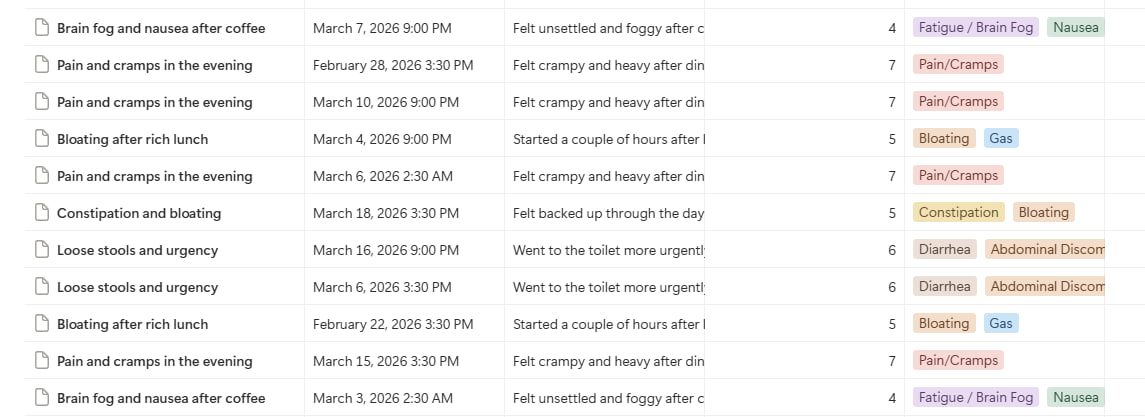
The bigger picture
Neither category of sweetener is inherently dangerous, and for most people without IBS, moderate amounts of either cause no issue at all. The reason they land harder for you is the same reason most IBS triggers do: a gut that registers ordinary gas and fluid shifts as real pain or urgency. That's why a sweetener that's genuinely "fine" for most people can still be worth pinning down for you specifically, and why the answer is personal enough that it's worth testing rather than assuming.
"Artificial sweetener" covers two unrelated categories: polyols (sorbitol, xylitol, mannitol, erythritol) are FODMAPs that cause dose-dependent diarrhea and bloating through osmotic and fermentation effects, while non-nutritive sweeteners (aspartame, sucralose, stevia) don't share that mechanism, though some may interact with the gut microbiome in ways still being studied. Reading past "sugar-free" to the actual ingredient, and tracking it against symptom timing, is the only reliable way to know which one is affecting you.
Sources
- Monash University FODMAP Diet - polyol content and fermentation mechanisms
- Monash University FODMAP Blog - "What Are Polyols?"
- Suez J, Korem T, Zeevi D et al. "Artificial sweeteners induce glucose intolerance by altering the gut microbiota" - Nature 2014;514:181-186
- Suez J, Cohen Y, Valdes-Mas R et al. "Personalized microbiome-driven effects of non-nutritive sweeteners on human glucose tolerance" - Cell 2022;185(18):3307-3328
- Mearin F, Lacy BE et al. "Bowel Disorders" - Gastroenterology 2016;150:1393-1407 (Rome IV diagnostic framework for IBS)


This article is for informational purposes and is not medical advice. Talk to your doctor before making dietary changes.
Start with the free 7-Day Trigger Discovery Challenge
Not ready for the app yet? Download the printable guide and work through 7 days of structured observation, with a few practical follow-up emails to help you stay on track.
- 20-page guide delivered immediately by email
- Daily meal, symptom, and lifestyle tracking pages
- Designed to help you spot early trigger patterns without overwhelm
Free - delivered straight to your inbox
🔒 No spam, we promise. Unsubscribe any time.
Or skip straight to the app - start tracking free →
Ready to find your triggers?
Track by voice. Let AI surface possible patterns.
Log meals and symptoms in seconds. AI structures your data and surfaces possible patterns, including delayed associations worth testing.
Start Tracking Free →Free to start · $59 one-time for full insights · No subscription