
Understanding IBS
Exercise and IBS: What Helps and What Triggers
Moderate exercise is one of the better-supported ways to ease IBS symptoms, but hard efforts and bad timing can trigger a flare. Here's how to track it.

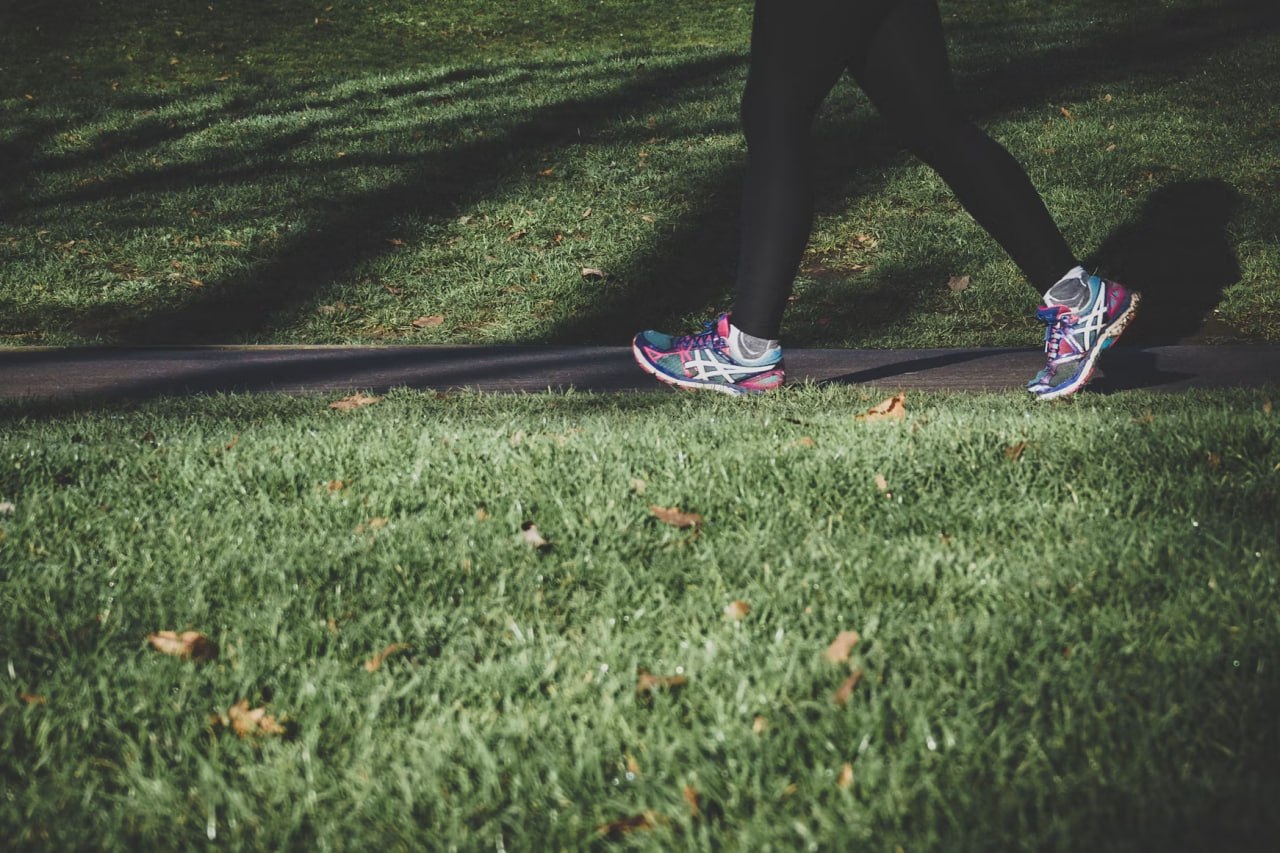
Exercise produces two opposite reports from people with IBS, often from the same person. A brisk walk settles things. A hard gym session sends them looking for a bathroom sooner than planned. Filed under one heading - "exercise" - those results look like noise.
They're not. Intensity, timing and type each pull in different directions, and the research here is considerably more specific than "just move more."
If you've been avoiding exercise out of caution, or you've had a bad experience and written it off entirely, it's worth understanding what the evidence actually supports, because moderate movement has one of the better track records of any non-dietary intervention for IBS.
The evidence for moderate exercise
The clearest study here is a randomized controlled trial published in 2011, which assigned around half of 102 IBS patients to increase their physical activity and the other half to maintain their usual routine. After three months, the group that increased activity showed substantially greater improvement in IBS symptom severity scores than the control group. A follow-up study on a subset of the same patients found the benefit held up over the long term, with participants who sustained higher activity levels years later still showing better symptom control, less fatigue, and less anxiety and depression than those who hadn't.
The exercise studied in these trials wasn't intense training. Activities like brisk walking, cycling, and aerobics, done consistently rather than occasionally, were enough to produce a measurable improvement in symptoms.
The proposed mechanisms line up with what's already known about IBS more broadly: regular moderate activity improves gut motility and reduces the likelihood of the sluggish transit that contributes to bloating and constipation, and it also lowers baseline stress reactivity, which matters given how directly stress affects IBS symptoms.
Why harder efforts can go the other way
The same physiological pathways that make gentle movement helpful can work against you at higher intensities. Vigorous, prolonged exercise, particularly running, redirects blood flow away from the gut toward working muscles, which can impair digestion and increase gut permeability during the effort itself. Combine that with the mechanical jostling of running specifically, plus dehydration and pre-exercise nutrition choices, and it's not surprising that many people, IBS or not, experience gut symptoms during or after intense endurance exercise.
For IBS specifically, this means the relationship with exercise isn't linear. A little consistent movement tends to help. A lot of high-intensity effort, especially without attention to timing and hydration, can trigger the same symptoms you're trying to manage.
Timing around meals matters
Exercising too soon after eating is a common, avoidable trigger. Vigorous movement on a full stomach competes for the same blood flow and mechanical space that digestion needs, which is part of why a hard workout right after a big meal is more likely to cause cramping, urgency, or reflux than the same workout on a lighter stomach. A short gap, generally an hour or more for moderate activity and longer for intense efforts, tends to reduce this effect considerably.
The flip side also matters: exercising on a completely empty stomach, particularly for longer sessions, can cause its own issues for some people, including lightheadedness and altered gut motility. There isn't a single right answer here, which is exactly why this is worth testing on yourself rather than following generic advice.
A gentle walk after a meal is one of the more consistently reported ways to ease post-meal bloating, likely because mild movement supports gut motility without diverting significant blood flow away from digestion the way harder exercise does.
Finding your own exercise pattern
Because the same activity type can help or hurt depending on intensity and timing, this is a genuinely individual thing to map out, not something a general guideline can fully answer for you. A few variables worth separating:
- Type of activity: walking and cycling tend to be gentler on the gut than running, which has extra mechanical jostling on top of the blood-flow effect
- Intensity: moderate, sustainable effort tends to help; near-maximal effort tends to be more likely to trigger symptoms, at least acutely
- Timing relative to meals: how long before or after eating you exercise changes the outcome meaningfully
- Hydration and pre-exercise food: under-hydration and certain pre-workout foods (high-fat, high-fiber, or high-FODMAP choices right before exercise) can independently cause symptoms that get blamed on the exercise itself
Logging these details alongside your symptoms is the only reliable way to see your own pattern, rather than assuming exercise is broadly good or broadly bad for you. This is the same principle behind finding patterns in a food diary, just applied to a non-food variable.

Building the habit without triggering a flare
If you're starting from very little activity, or if past exercise experiences have gone badly, a cautious ramp-up tends to work better than jumping straight into a routine:
- Start with short, low-intensity sessions, like 15-20 minute walks, and increase duration before increasing intensity.
- Avoid exercising within the first hour after a large meal, especially anything you already suspect might be a trigger food.
- Hydrate consistently, not just during exercise, since chronic mild dehydration can independently affect gut motility.
- Track symptoms for a few hours after exercise, not just during it, since delayed reactions are common and easy to miss if you're only watching for immediate discomfort.
Find your intensity ceiling
Log meals, symptoms, and activity by voice or text. AI surfaces how intensity, timing, and type of exercise actually affect your symptoms, not just whether you worked out.
Start Tracking Free →When to scale back rather than push through
If a specific type or intensity of exercise reliably triggers significant symptoms, that's useful information, not a sign you should avoid movement altogether. Scaling back to a gentler version of the same activity, or switching to a lower-impact type, usually preserves most of the benefit while avoiding the trigger. Pushing through a pattern that consistently causes a flare tends to just reinforce avoidance later, which is the opposite of what you want long-term.
Moderate, consistent exercise, like brisk walking or cycling, has solid randomized-trial evidence for reducing IBS symptom severity over both the short and long term. Vigorous exercise and poor timing around meals can trigger symptoms through a different mechanism, reduced gut blood flow and increased permeability. Tracking activity type, intensity, and timing alongside symptoms is the way to find your own tolerance rather than treating exercise as uniformly good or bad.
Sources
- Johannesson E, Simrén M, Strid H, Bajor A, Sadik R. "Physical activity improves symptoms in irritable bowel syndrome: a randomized controlled trial" - American Journal of Gastroenterology 2011;106(5):915-922
- Johannesson E, Ringström G, Abrahamsson H, Sadik R. "Intervention to increase physical activity in irritable bowel syndrome shows long-term positive effects" - World Journal of Gastroenterology 2015;21(2):600-608
- NICE Guideline CG61. "Irritable bowel syndrome in adults: diagnosis and management" - lifestyle and physical activity recommendations


This article is for informational purposes and is not medical advice. Talk to your doctor before making dietary changes.
Start with the free 7-Day Trigger Discovery Challenge
Not ready for the app yet? Download the printable guide and work through 7 days of structured observation, with a few practical follow-up emails to help you stay on track.
- 20-page guide delivered immediately by email
- Daily meal, symptom, and lifestyle tracking pages
- Designed to help you spot early trigger patterns without overwhelm
Free - delivered straight to your inbox
🔒 No spam, we promise. Unsubscribe any time.
Or skip straight to the app - start tracking free →
Ready to find your triggers?
Track by voice. Let AI surface possible patterns.
Log meals and symptoms in seconds. AI structures your data and surfaces possible patterns, including delayed associations worth testing.
Start Tracking Free →Free to start · $59 one-time for full insights · No subscription