
Guides
What to Bring to Your Gastroenterologist Appointment
Gastroenterologist appointments are short. Here's how to prepare so you get the most out of the time - and what to bring that your doctor will actually find useful.

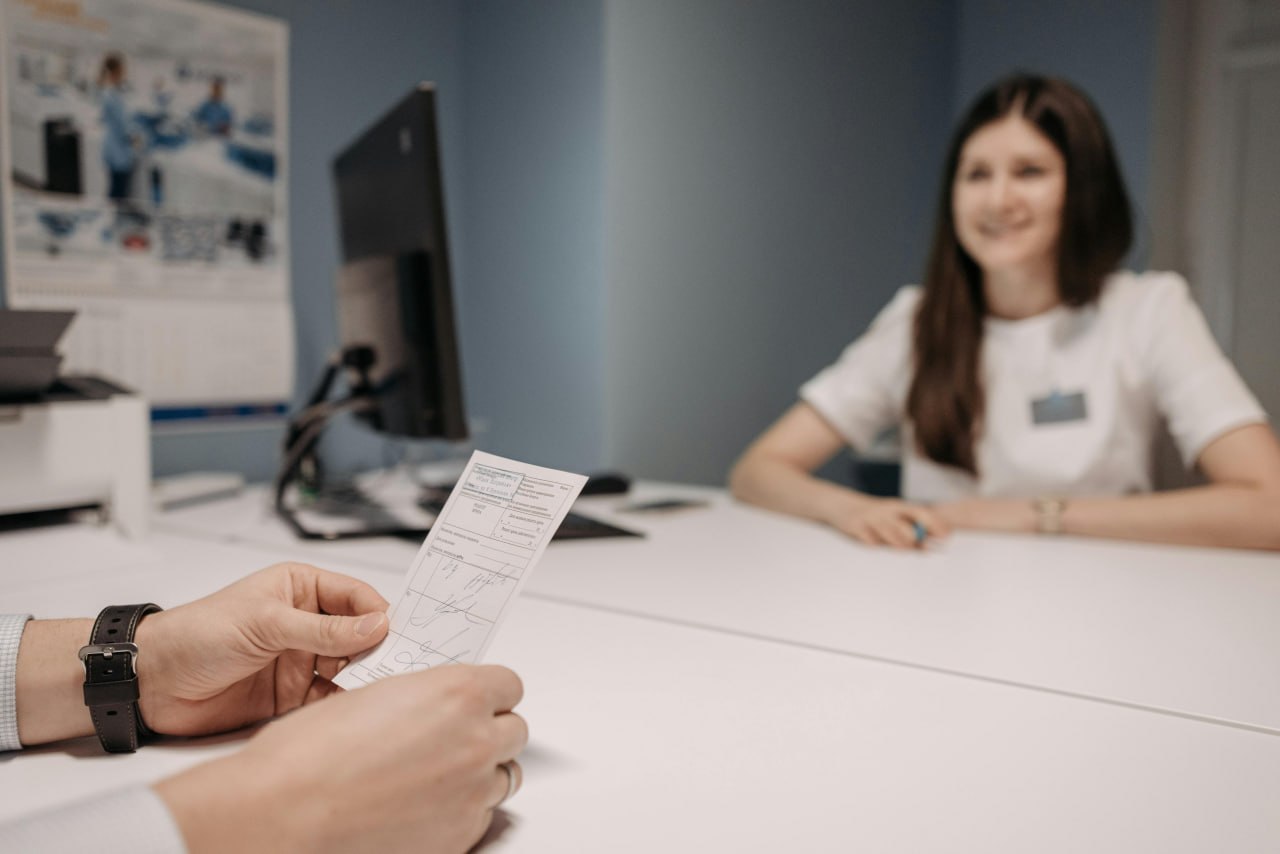
The average gastroenterologist appointment lasts about 15-20 minutes. If you spend the first 10 minutes trying to remember your symptoms, when they started, and what makes them worse, you've spent most of your appointment on setup rather than answers.
Preparation makes a measurable difference. Doctors in a 15-minute slot can do a lot more for you if you arrive organized. Here's exactly what to bring - and what to say when you get there.
1. A symptom summary document (1 page, prepared in advance)
The most useful thing you can bring is a concise written summary of your symptoms. One page. You'll be surprised how much clarity this creates - both for your doctor and for yourself.
Your summary should cover:
- What symptoms you have: bloating, cramping, diarrhea, constipation, urgency, nausea, etc.
- When they started: as specifically as possible (after a holiday, after a particular illness, gradually over years)
- Frequency: how many days per week do you have symptoms? How many bowel movements per day on a bad day?
- Severity: how significantly do symptoms affect your daily life? Do they impact work, social events, travel?
- Pattern: time of day, before or after meals, relationship to stress, menstrual cycle correlation if relevant
- What makes it better: warmth, movement, fasting, any foods that seem safe
- What makes it worse: stress, specific foods, time of day, movement, eating at all
Write this document before the appointment, not in the waiting room. When you're anxious in a medical setting, you forget things. Having it written down also means you can hand it to the doctor and let them read it while you talk, rather than taking up appointment time reciting it verbally.
If you'd rather not build this from scratch, the Doctor Visit Prep Kit walks you through each section and outputs a clean one-page summary you can hand over (with a printable PDF backup).
2. Your food and symptom log
If you've been tracking your food and symptoms - even for a week or two - bring it. Gastroenterologists are used to patients saying "I think dairy might be a trigger" based on vague memory. A structured log that shows three weeks of meals, symptoms, and severity ratings is a different level of evidence.
It shifts the conversation from "these are my guesses" to "here's what my data shows."
Even a rough log is better than nothing. A phone note with dated entries, a spreadsheet, a food diary app export - anything showing the connection between what you're eating and what you're experiencing is useful.
Gastroenterologists often spend considerable appointment time just establishing what the patient's baseline symptoms are. Arriving with this documented can free up time for the more valuable conversations about testing, treatment, and next steps.
3. A medication and supplement list
Write out everything you're currently taking - prescription medications, over-the-counter medications, and supplements. Include dose and frequency.
Many medications affect gut function significantly: iron supplements (constipation), magnesium (loose stools), NSAIDs like ibuprofen (gut irritation), proton pump inhibitors (alter gut bacteria), certain antidepressants. Your gastroenterologist needs this information to interpret your symptoms correctly.
Don't assume they'll have an up-to-date record from your GP. Bring your own list.
4. Your previous test results
If you've had any relevant tests before - blood tests, stool tests, colonoscopy, endoscopy, ultrasound - bring the reports or at least note the dates and what was found.
Things particularly worth noting:
- Any IBD investigations (colonoscopy, calprotectin, CRP)
- Celiac disease testing (TTG antibodies)
- Blood tests showing anemia or nutritional deficiencies
- Stool testing for infections or blood
If tests came back normal, that's also useful - it rules things out and shapes the current investigation.
5. Your specific questions, written down
You'll forget at least one important question the moment you're in the consultation room. Write them down in advance.
Common important questions to consider:
- Should I have a colonoscopy or other investigations given my symptoms?
- Is there anything in my symptom pattern that concerns you?
- Should I be tested for celiac disease before changing my diet?
- Is small intestinal bacterial overgrowth (SIBO) worth investigating?
- What treatment options are available for my subtype (IBS-D, IBS-C, IBS-M)?
- Should I see a dietitian for low-FODMAP guidance?
- Are there medications that might help while I work on dietary triggers?
- What symptoms should prompt me to come back urgently?
6. A description of your "red flags" awareness
Gastroenterologists are required to rule out serious pathology before diagnosing functional conditions like IBS. Help them do this quickly by being clear about whether you have:
- Blood in stool (bright red or dark/tarry)
- Unintentional weight loss
- Symptoms that wake you at night
- Fever accompanying gut symptoms
- Family history of colorectal cancer or IBD
If you have any of these, say so clearly at the start of the appointment. If you don't, it's also worth noting that - it helps the doctor move more quickly to the IBS conversation.
If you have blood in your stool, unintentional weight loss, or symptoms that wake you at night, do not wait for a routine gastroenterologist appointment. See your GP urgently or call 111. These are red flag symptoms that need faster investigation.
What to expect from a first appointment
A first gastroenterology appointment typically involves:
- Taking a full symptom and medical history
- Reviewing test results
- Potentially requesting further investigations (blood tests, stool tests, colonoscopy)
- Discussing a management plan
You may not get a definitive diagnosis at the first appointment. IBS can be diagnosed positively from a characteristic symptom pattern using criteria such as Rome IV. Depending on your history and any red flags, your clinician may also order tests to rule out conditions that can cause similar symptoms. Those investigations can take time.
After the appointment
- Note down the key discussion points and any recommended next steps before leaving
- Ask for test referrals in writing if verbal instructions were given
- Continue your food and symptom tracking - data collected now will be useful at your follow-up
- Don't make major dietary changes before investigations are complete (especially celiac testing - see the [low-FODMAP diet guide](/articles/fodmap-diet-explained/) for why this matters)
- Follow up if you haven't heard about test results within the expected timeframe

Walk in with evidence, not recollection
Log meals, symptoms and timing by voice or text between now and your appointment. The app turns it into a clean clinical summary your gastro can actually use.
Start Tracking Free →Bring a one-page symptom summary, your food and symptom log, a complete medication list, previous test results, and a written list of questions. The more organized you arrive, the more of your limited appointment time can be spent on answers rather than recollection. Your tracking data is one of the most valuable things you can bring.


This article is for informational purposes and is not medical advice. Talk to your doctor before making dietary changes.
Start with the free 7-Day Trigger Discovery Challenge
Not ready for the app yet? Download the printable guide and work through 7 days of structured observation, with a few practical follow-up emails to help you stay on track.
- 20-page guide delivered immediately by email
- Daily meal, symptom, and lifestyle tracking pages
- Designed to help you spot early trigger patterns without overwhelm
Free - delivered straight to your inbox
🔒 No spam, we promise. Unsubscribe any time.
Or skip straight to the app - start tracking free →
Doctor Visit Prep Kit - $15
Walk in with a doctor-ready summary.
Turn weeks of symptoms into a clean, one-page summary your GI can actually use - an interactive prep app plus a printable PDF backup. Private, offline, no accounts.
Get the Prep Kit →$15 one-time · Interactive app + printable PDF · No subscription