
Tracking
How to Track Your Food Triggers (Without Burning Out)
Most food diaries fail within a week. Here's how to build a tracking habit that actually generates useful data - and exactly what to do with it when you have enough.


The idea of keeping a food diary sounds simple. Write down what you eat, note how you feel, spot the pattern. In practice, most people give up within a few days - and the ones who do stick with it often end up with pages of notes that don't tell them anything useful.
Here's how to do it properly - without making it a second job.
Why most food tracking fails
The most common mistake is trying to track everything. People write paragraphs about every meal, note every ingredient down to the seasoning, record every possible symptom in elaborate detail. It feels thorough. It's unsustainable past 10 days.
The second most common mistake is not being consistent enough. A few days of data here, a week there, big gaps in between - this is almost worthless for identifying food triggers, especially when reactions can be delayed by 12-24 hours.
The third mistake is tracking but never analyzing. Months of careful diary entries sitting unread, with no structured review to find patterns.
All three problems have the same solution: a simple, consistent system with a built-in review process.
What you actually need to track
You don't need to record everything - you need to record the right things:
- Ingredients - not meal names. "Pasta bolognese" tells you nothing. "Pasta, beef mince, tinned tomatoes, garlic, onion" tells you everything.
- Time of eating - critical because reactions are often delayed by 12-24 hours
- Symptoms - type (bloating, cramping, urgency, loose stools, constipation, pain), severity (1-5 or 1-10), and time they appeared
- Bowel movements - frequency and type using the Bristol Stool Scale (1-7). Uncomfortable to log, essential for pattern finding.
- Daily stress rating - a simple 1-5. Stress is a real physiological IBS trigger and needs to be in your data.
That's five fields. A well-designed system means each entry takes under 2 minutes. If it's taking longer, simplify.
For restaurant meals or packaged foods, you can't always list every ingredient. Write what you know and what seems significant. A partial entry is better than no entry. "Chicken burger - bun, chicken, lettuce, mayo, unknown sauce" is useful even if it's incomplete.
The delayed reaction problem
One of the hardest things about food sensitivity tracking is that your symptoms often don't appear immediately. Reactions can be delayed by anywhere from a few hours to the following day. This is why people struggle to make the connection on their own.
If you bloat every Tuesday morning, it might not be Tuesday's breakfast. It might be Monday's dinner. Without consistent tracking across multiple days - and crucially, timestamps - you'll never see that pattern.
This is also why partial tracking is dangerous. If you only log meals when you have symptoms, you'll always be looking at the wrong data. You need to log on good days too - so you can compare what's different about those days.
Building the tracking habit
The trick to consistent tracking is making it as low-friction as possible:
Log immediately after eating, not at the end of the day. Retrospective recall is unreliable. Studies show that end-of-day logging misses around 20% of what people actually ate, and the 20% that's missing might be exactly where your trigger is hiding.
Use a structured system. Blank notes apps require too much thinking each time. A template with specific fields means you just fill in the blanks. No decisions, no mental effort.
Set a 2-minute reminder on your phone that fires after your usual meal times. The reminder doesn't need to open an app - it's just a nudge to log if you haven't already.
Keep the bar low for consistency. A week where you logged 80% of meals is far better than a week you abandoned because you missed two entries and felt like you'd failed.
Consistency is more important than completeness. Research on dietary assessment methods shows that slightly incomplete but consistently collected data produces better patterns than highly detailed but sporadic records. Aim for every meal, but don't let missing one entry derail your streak.
How long to track before reviewing
To get reliable data, you're generally looking at a minimum of 3-4 weeks of consistent tracking. This gives you:
- Enough data points to spot repeated correlations
- Enough variation in your diet to see what differs on good days versus bad days
- A baseline that accounts for natural IBS symptom fluctuation (good weeks and bad weeks that aren't triggered by specific foods)
Less than 2 weeks almost always gives inconclusive results.
What to do with your data
After 3-4 weeks, you have something to work with. The analysis step is where most people falter - not because it's technically hard, but because staring at 100+ log entries and trying to spot patterns is cognitively demanding.
What to look for manually:
- Which ingredients appear most frequently on high-symptom days (severity 4-5)?
- Which ingredients appear on good days (severity 1-2) but not on bad days?
- Is there a consistent time delay between eating and symptoms appearing?
- Do high stress days correlate with high symptom days regardless of food?
- Are there patterns by day of week, meal timing, or context (work vs. weekend)?
This is where AI can genuinely help. Feeding your tracking data into an AI analysis tool surfaces correlations across dozens of variables simultaneously - the kind of pattern detection that would take hours manually and that human eyes typically miss.
Choosing your tracking format
Paper food diary or digital database - both can work. The best choice is whichever one you'll open every day. There's a full comparison of printable vs digital food diaries if you're undecided.
Paper is lower friction and distraction-free, but harder to analyze. Digital (a spreadsheet, Google Sheet, Notion database, or dedicated app) is more analyzable and searchable, but requires discipline to open your phone without getting sidetracked.
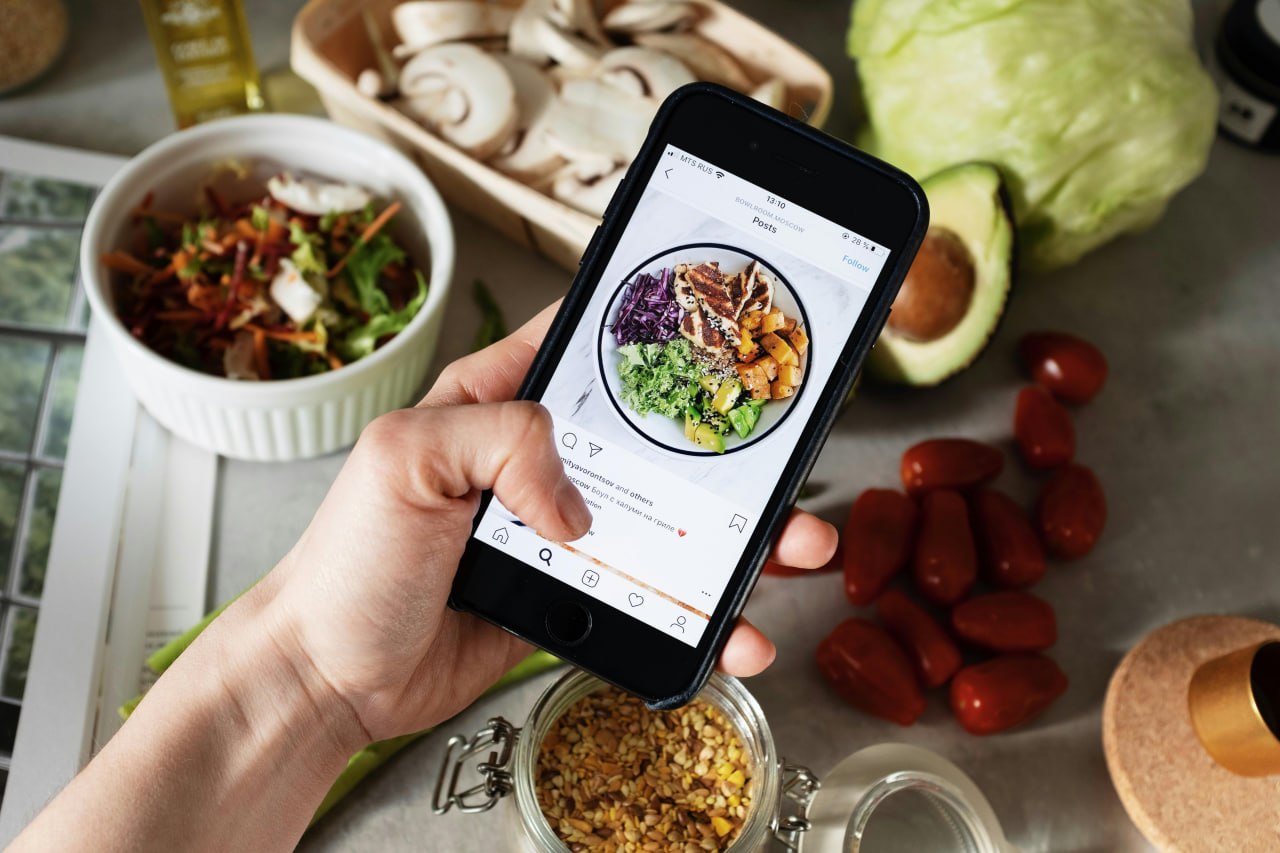
Whatever format you choose, the structure matters more than the medium. A consistent set of fields that you complete every time produces far more useful data than a flexible approach where you write whatever feels relevant on a given day.
After you find your patterns
Once you've identified suspected triggers from your data, the next step is systematic testing:
- Remove the suspected food completely for 2-3 weeks
- Track symptoms during removal
- Reintroduce the food and track for 48-72 hours
- If symptoms return, you've found a real trigger
Test one food at a time. Testing multiple simultaneously means if you improve, you won't know which elimination made the difference.
Before starting any elimination, get tested for celiac disease if you haven't already - especially if wheat is on your suspect list. The celiac blood test (TTG antibodies) requires you to be eating gluten to be accurate. Remove wheat before testing and the result is unreliable.
Tracking that survives a busy week
Most food diaries die by day four. Log by voice in a few seconds after eating and let the app do the structuring, so the habit outlasts your motivation.
Start Tracking Free →Effective food trigger tracking requires five fields (ingredients, time, symptoms, bowel movements, stress), logged immediately after meals, consistently for at least 3-4 weeks. The key mistakes are tracking too little, tracking inconsistently, or never analyzing the data. After 3-4 weeks, use AI or systematic manual review to find patterns - then test your suspected triggers one at a time through elimination and reintroduction.



This article is for informational purposes and is not medical advice. Talk to your doctor before making dietary changes.
Start with the free 7-Day Trigger Discovery Challenge
Not ready for the app yet? Download the printable guide and work through 7 days of structured observation, with a few practical follow-up emails to help you stay on track.
- 20-page guide delivered immediately by email
- Daily meal, symptom, and lifestyle tracking pages
- Designed to help you spot early trigger patterns without overwhelm
Free - delivered straight to your inbox
🔒 No spam, we promise. Unsubscribe any time.
Or skip straight to the app - start tracking free →
Complete Tracker Kit - $29
The IBS Tracker Kit - Notion, Sheets & Printable
Everything you need to start tracking: Notion tracker, Google Sheets tracker, printable 30-day journal, FODMAP reference card, elimination diet protocol, and free AI analysis of your data.
Get the Tracker Kit →$29 one-time · Notion + Sheets + Printable · Free AI analysis included